
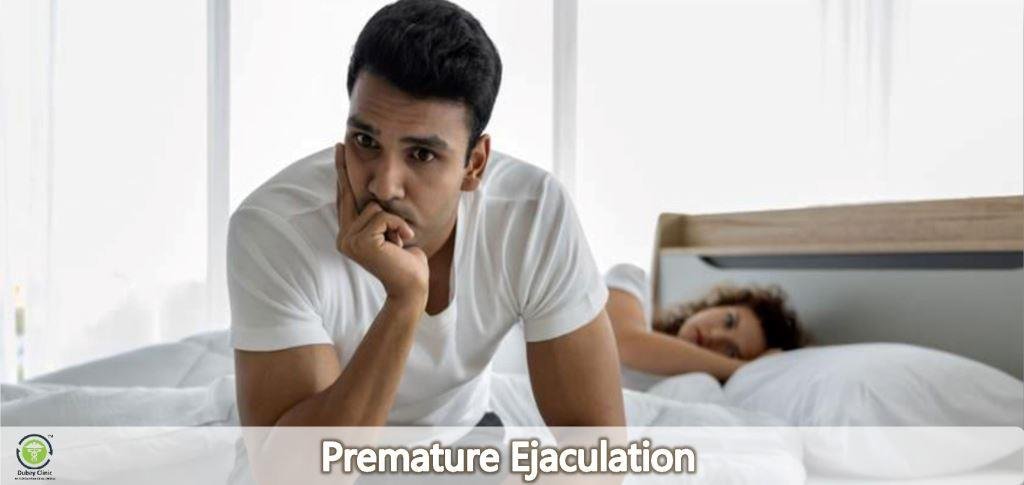
Premature ejaculation can cause an individual to face difficulties in their sexual life or orgasmic function. Ejaculation is a complex process governed by various factors in the body. It is important to understand that ejaculation is influenced by brain chemistry, the sensitivity of the nervous system, anxiety, sexual conditioning, and physical health. While ejaculation is a normal bodily function, it is also a complex one. Premature ejaculation—often characterized by concerns regarding the timing of ejaculation—is a common sexual health issue; while occasional early ejaculation can be normal, persistent occurrences are a cause for concern. The primary causes of premature ejaculation may include variations in brain chemistry, performance-related anxiety or fear, established sexual patterns or conditioned responses, and underlying physical or medical conditions.
In the modern science of sexology, 'premature ejaculation' is a common, well-recognized, and treatable issue related to sexual health. Many scientific research indicates that this condition arises from a combination of biological factors, anxiety, learned sexual behaviors, and relationship dynamics. It is not a direct indicator of personal weakness, issues concerning masculinity, or a lack of sexual experience. The condition primarily involves three aspects—timing, control, and distress—which can have a negative impact on an individual. In Ayurveda (the traditional Indian system of medicine), premature ejaculation is viewed as a condition linked to sexual function, reproductive health, mental well-being, and overall vitality. Various branches of Ayurveda—most notably 'Vajikarana Therapy' (revitalizing /aphrodisiac therapy)—address sexual and reproductive health through a specialized perspective. When integrated with a modern approach, this Ayurvedic framework offers a scientific lens for balancing the doshas (specifically Shukragata Vata) and mitigating the risk of other associated health issues.
An examination of the characteristics and risk factors associated with premature ejaculation reveals that there is no single, direct cause for this sexual health issue. Consequently, no single pill or simple precaution is sufficient to improve control over ejaculation while simultaneously maintaining the body's overall energy. From a modern perspective, Ayurvedic approaches prove effective in balancing the nervous system, sustaining the body's energy levels, enhancing physical health, and addressing various underlying medical conditions that contribute to this problem. The Ayurvedic approach encompasses herbal formulations tailored to an individual's specific needs, dietary and lifestyle guidelines, strategies to reduce stress and anxiety, as well as specialized counseling and guidance focused on sexual health and function.
Premature Ejaculation: Symptoms, Causes, Treatment, & Ayurveda
Premature Ejaculation (PE) Treatment in India: Dr. Sunil Dubey
If you are seeking personal support and expert treatment for premature ejaculation from a qualified and experienced sexual healthcare professional, you have come to the right place. Here, you will find accurate information about this common sexual issue in men, helping you manage or prevent it safely and effectively.
What is Premature Ejaculation (PE)?
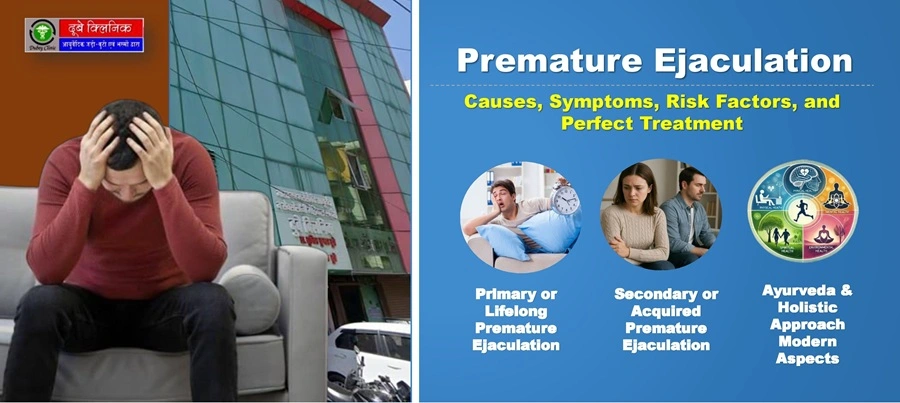
Premature ejaculation is a common sexual issue among men characterized by ejaculation occurring within a very short time during sexual activity. Typically, it happens during vaginal penetration or immediately afterward (within one or two minutes). Since the man lacks control over ejaculation—preventing him from lasting longer in bed and completing the sexual response cycle—this premature ejaculation can lead to issues related to achieving orgasm (orgasmic dysfunction). However, as ejaculation is a natural process, premature ejaculation is not considered a serious medical condition in men.
When premature ejaculation leads to mental stress, frustration, or relationship problems, it becomes an issue for men or married couples. This is because both male and female don't reach at their resolution phase during sexual activity. It is considered a form of sexual dysfunction in men because it disrupts the normal sexual response cycle, resulting in persistent distress, reduced control over ejaculation, a lack of self-confidence, and relationship problems. In cases of premature ejaculation, the man is unable to control the timing of ejaculation, even though other aspects of sexual function operate normally.
Phases of Sexual Response Cycle-
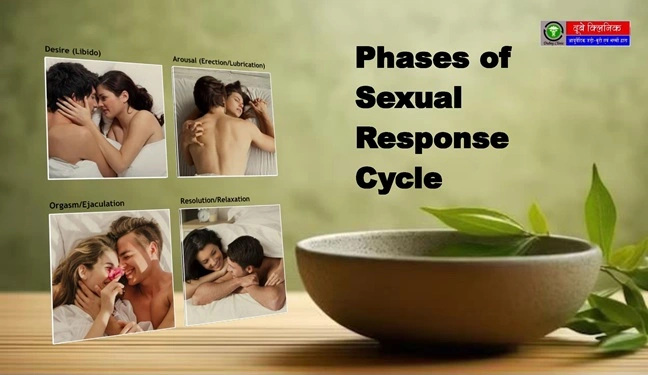
The sexual response cycle generally consists of four stages that determine whether intimacy is satisfying. It is essential for anyone dealing with premature ejaculation to understand this, as it is significant for their female partner as well.
- Desire (libido) - Interest in sexual activity.
- Arousal (erection/lubrication) – Physical preparation, also known as plateau.
- Orgasm/Ejaculation – Peak phase, also known as climax.
- Resolution – Return to a state of relaxation.
In men, the problem of premature ejaculation occurs during the orgasm or ejaculation phase (the third stage of the sexual response cycle). In this condition, the individual ejaculates sooner than desired and struggles to control or delay ejaculation, despite wanting to do so.
Dr. Dubey, a gold medalist clinical sexologist practicing in Patna and a recipient of the 'Bharat Gaurav' award, states that premature ejaculation (PE) is considered a sexual dysfunction because it often involves various underlying factors concerning both the man and his female partner. It involves a loss of control over ejaculation—control that the man was previously able to maintain during intercourse. This is a persistent issue that causes personal distress and frustration for the man, often tries to lead him to avoid sexual activity. Consequently, relationship difficulties frequently arise due to dissatisfaction or a mismatch in expectations between partners. However, for those facing this situation, it is not a cause for concern because treatment is possible; a qualified sexual healthcare professional helps identify the root causes through counseling or therapy.
Symptoms of Premature Ejaculation:
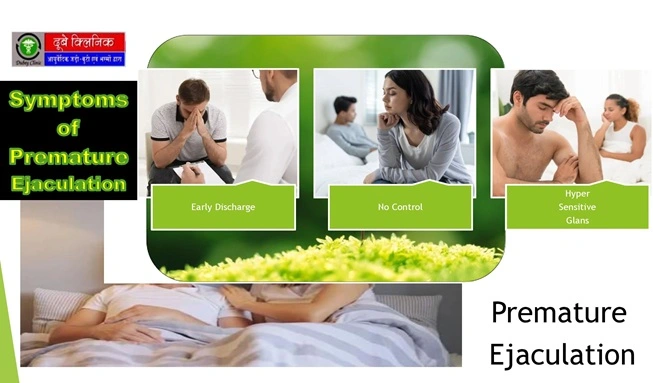
In terms of the processes of ejaculation and orgasm, the primary symptom of premature ejaculation is that ejaculation occurs sooner than desired, with little to no control over delaying or preventing it. Rapid ejaculation causes distress for men, leads to relationship issues, and diminishes their quality of life. This sexual problem has several symptoms that manifest during a person's sexual activity. Common symptoms include:
- Ejaculation occurring within approximately one minute of penetration (especially in cases of lifelong premature ejaculation)
- Ejaculation occurring much sooner than desired in cases of acquired premature ejaculation (a problem that develops later in life)
- Difficulty delaying or controlling ejaculation during most sexual encounters
- Inability to control ejaculation even when attempting to hold it back
- Experiencing personal distress, frustration, embarrassment, or anxiety regarding sexual performance and ability
- A lack of sexual satisfaction for one or both partners due to the sexual response cycle not being completed
- Avoiding sexual activity due to the fear of premature ejaculation
- Relationship stress or conflict arising from sexual dissatisfaction or differences in sexual desires
Classification of PE based on Several Factors

Dr. Dubey, who practices at Dubey Clinic and provides comprehensive treatment for patients struggling with sexual issues, is one of trusted sexologists in India for male sexual problems. He states that the process by which symptoms of premature ejaculation develop has been classified in various ways; this classification reflects the issue of a lack of control over the timing of ejaculation. He has conducted research on this sexual issue with the aim of developing an integrated treatment plan that combines modern, traditional, and Ayurvedic approaches, as well as lifestyle-related factors, to address all aspects of premature ejaculation. Based on his clinical practice and treatment, he has classified premature ejaculation into different forms, which are listed below:
Based on Symptoms and Clinical History of PE
- Lifelong PE: This is also known as 'primary premature ejaculation,' a condition present from a person's very first sexual experience. It typically occurs consistently during sexual encounters. In such cases, ejaculation usually happens within about a minute of penetration. The individual has little to no control over their ejaculation. Primarily, this type of PE is often linked to genetic, neurobiological, or lifelong psychological factors.
- Acquired PE: This is also known as 'secondary premature ejaculation.' It is a form of premature ejaculation that develops after a period of normal sexual function. Typically, it begins—either gradually or suddenly—during sexual activity, with ejaculation consistently occurring sooner than before. This sexual issue is often linked to a medical condition, mental stress, or the side effects of certain medications.
Based on Causes of Premature Ejaculation (PE)
Biological PE: This is also called organic premature ejaculation, which occurs due to physical and medical reasons. Many underlying condition with biological causes can contribute to this sexual problem, such as:
- Disruption of serotonin signaling in the brain
- Hormone-related issues (such as thyroid problems)
- Inflammation of the prostate (prostatitis)
- Genetic factors (genetic predisposition)
- Abnormalities in the nervous system
Psychological PE: Difficulty in controlling ejaculation due to psychological factors or emotional issues is referred to as psychological premature ejaculation. This sexual problem involves various psychological or emotional causes; some common ones include—
- Performance anxiety (Fear of Erection or Ejaculation)
- Stress (Development of Cortisol)
- Depression (Lower Level of Testosterone)
- Relationship conflict (Sexual Desire Disorder)
- Feelings of guilt (Hormonal and Psychological Issues)
- Early negative sexual experiences (Mental Health Concern)
Mixed PE: For many people, both psychological and biological factors are responsible for PE (premature ejaculation). Since this is a mixed form of premature ejaculation, it is essential to examine both types of causes to address the problem.
Other Clinical Patterns of Premature Ejaculation (PE)
- Variable PE: Occasional or variable premature ejaculation is considered normal and usually does not require treatment; the issue often resolves on its own over time. The most common causes of this type of premature ejaculation are normal changes and temporary stress. However, if the problem persists for more than three months, it is advisable to consult a sexologist for diagnosis.
- Conditional PE: In this scenario, the individual perceives that ejaculation is occurring too quickly, even though the actual timing falls within the normal range. Anxiety or unrealistic expectations can play a role in this condition. Since the issue often arises in specific situations or with a new partner, understanding the context is essential. The most common causes of this type of premature ejaculation are anxiety, unrealistic expectations, and excessive libido. To improve this situation, one can consult a sexual healthcare professional for counseling.
Causes of Premature Ejaculation (PE)-
The process of ejaculation in the body is complex; the problem of premature ejaculation (PE) can be linked to various physical, psychological, lifestyle-related factors, and other conditions. The causes of premature ejaculation are often diverse and include the following:

Psychological factors:
This is one of the most common causes of premature ejaculation in men of various ages. Some common psychological factors include—
- Performance anxiety related to erection or ejaculation
- Stress related to work, finances, or family
- Depression (Generalized, health-related, or conflicts)
- Generalized Anxiety Disorder
- Relationship conflicts or unresolved issues
- Guilt or shame regarding sexual activity
- Negative or traumatic early sexual experiences
- Fear of sexual failure
- Low self-esteem or negative body image
Biological (physical) causes:
There are several biological conditions that can lead a person to the problem of premature ejaculation. Some common causes include—
- Neurobiological factors: Neurobiological causes are linked to the abnormal regulation of serotonin; serotonin is a brain chemical that plays a role in delaying or controlling ejaculation. Increased sensitivity of the nerves in the penile is another biological factor that reduces control over ejaculation. In some cases, genetic factors (hereditary predisposition) can also lead to premature ejaculation.
- Hormone-related problems: A hormone is a chemical messenger that travels through the bloodstream and signals the brain to regulate sexual activity. Hormonal changes—such as an overactive thyroid (hyperthyroidism)—can disrupt the mind-body coordination essential for controlling ejaculation. Other hormonal imbalances, such as low testosterone or high prolactin levels, can also play a role in the loss of control over ejaculation.
- Genitourinary conditions: Prostatitis (inflammation of the prostate gland) and urethritis (inflammation of the urethra) is urogenital conditions that can affect control over ejaculation and disrupt the mind-body balance.
- Nervous system disorders: Spinal cord injury, multiple sclerosis, and peripheral nerve disorders are neurological conditions affecting the nervous system that can impact control over ejaculation.
Medical conditions associated with PE:
Certain sexual problems and medical conditions are associated with premature ejaculation. Some common examples of these medical conditions are—
- Erectile Dysfunction (The fear of losing an erection causes premature ejaculation.)
- Diabetes mellitus (High Blood Sugar)
- Thyroid disorders (Hypogonadism)
- Chronic prostatitis
- Certain neurological diseases
Medication-related causes:
Medication-related issues are rarely the cause of ejaculation problems, though certain specific situations can be linked to premature ejaculation (PE), such as:
- Changes in medications that affect the nervous system
- Stopping the use of certain medications or alcohol
Lifestyle-related factors
Lifestyle factors play a significant role not only in sexual health but in overall well-being. When it comes to premature ejaculation, certain lifestyle aspects are particularly important; these include—
- Excessive alcohol consumption
- Recreational drug use
- Chronic stress or anxiety
- Poor sleep (sleep deprivation)
- Lack of regular physical activity
Relationship-related factors:
Relationships are significant due to trust, strong emotional connections, bonding, and overall psychological factors. They are linked far more to a person's overall well-being than to sexual health alone. Various relationship-related factors play a role in cases of premature ejaculation; some common factors include—
- Lack of communication between partners
- Lack of confidence regarding intimacy
- Unresolved conflicts or arguments
- Pressure to satisfy the partner
- Lack of emotional connection
- Lack of emotional connection
- Mismatched sexual satisfaction
Diagnosis of Premature Ejaculation (PE)
In reality, premature ejaculation (PE) is primarily diagnosed based on a detailed medical and sexual health history. It is true that there is no single lab test or imaging study that can confirm the condition. Sexual health experts diagnose premature ejaculation by assessing the symptoms, the duration of the problem, and its impact on the individual.
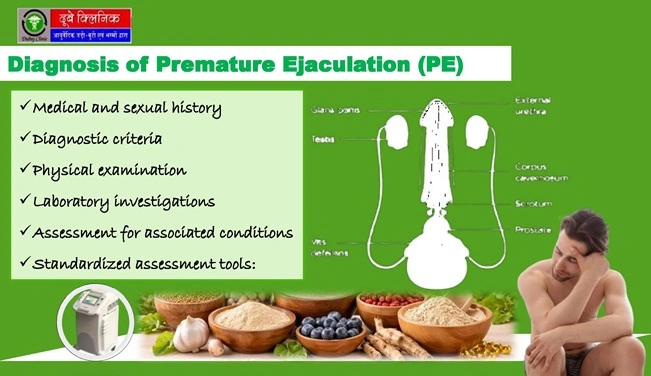
Medical and sexual history
Qualified sexual healthcare providers assess the patient's medical and sexual history. To do this, they ask a range of questions to understand the true nature of the issue:
- Time taken to ejaculate during sexual activity
- Ability to delay ejaculation during controlling
- Frequency of the problem (frequent or occasional)
- Whether the PE has been lifelong or developed later
- Situations in which PE occurs (with partners or only in specific circumstances)
- Personal distress or relationship difficulties due to this condition
- Presence of erectile dysfunction or other sexual issues
- Current medications, alcohol, and substance use in daily life
- Medical and psychological history
Diagnostic criteria
PE (Premature Ejaculation) is generally identified when the following symptoms are present with a person-
- Consistent or recurrent ejaculation occurring during most sexual encounters, sooner than desired.
- Difficulty delaying or controlling ejaculation during sexual activity.
- Resulting in significant personal distress, frustration, or relationship problems.
- Symptoms of PE must have been present during most sexual encounters for at least 3–6 months.
Physical examination
The diagnostic process for premature ejaculation is based on a biological examination to identify potential physical causes, including—
- Examination of the penile and testicles
- Examination of the prostate (if necessary)
- Checking for neurological abnormalities
- Evaluation of symptoms of hormonal disorders
Laboratory investigations
Generally, routine lab tests are not required for every patient. These tests are performed only when a medical condition is suspected. Some common lab tests for premature ejaculation problem include:
- Thyroid function test (if hyperthyroidism is suspected)
- Blood glucose or HbA1c (to check for diabetes)
- Testosterone or other hormone tests (when clinically indicated)
- Urine or semen tests (if an infection is suspected)
Assessment for associated conditions:
There are various conditions associated with premature ejaculation that are directly linked to sexual issues, psychological factors, relationship health, and daily lifestyle. Here, qualified sexual health experts examine the factors that cause premature ejaculation. Some common conditions associated with PE include—
- Erectile dysfunction
- Anxiety disorders
- Depression
- Relationship or marital problems
- Chronic stress
- Substance or alcohol abuse
Standardized assessment tools:
Clinical sexologists can use unbiased and validated questionnaires to assess the severity of the problem and monitor the effectiveness of treatment, such as:
- Premature Ejaculation Diagnostic Tool (PEDT)
- Index of Premature Ejaculation (IPE)
Premature ejaculation is primarily diagnosed through a clinical assessment that focuses on early ejaculation, a lack of control, and the associated distress; additionally, further examinations and tests are conducted to identify or rule out underlying medical or psychological causes. Visiting a clinic for an examination—rather than relying on phone consultations or telemedicine—is the safest and most thorough approach.
Treatment Options for Premature Ejaculation (PE)
Treatment methods for premature ejaculation (PE) depend on the underlying cause, the severity of the problem, and whether the condition has been present throughout one's life or developed later. Many individuals benefit from a combination of behavioral techniques, counseling, and medication. In such cases, personalized treatment is essential for those seeking a long-term solution.
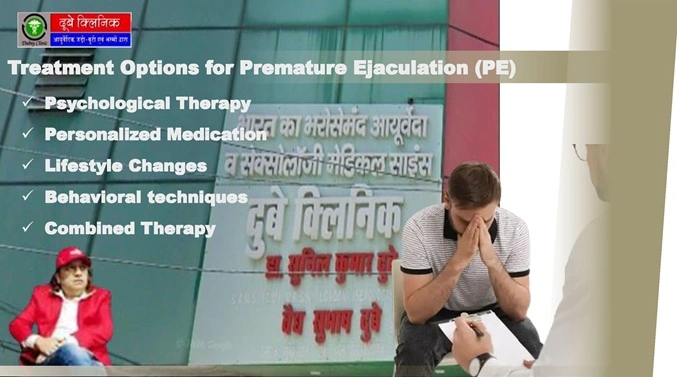
Psychological Therapy
Psychological factors play a significant role in the process of ejaculation and related issues. Psychological therapy is helpful in addressing stress, anxiety, or relationship problems, as these issues are common factors for premature ejaculation (PE).
- Cognitive Behavioral Therapy (CBT)
- Sexual Therapy (Personalized)
- Couples Counseling or Therapy
- Stress Management and Relaxation Techniques
Personalized Medication
Taking psychological, biological, and hormonal factors into account, personalized medicines help address these issues. Ayurveda’s holistic approach and integrated treatment plans facilitate the use of evidence-based medicines that are safe and effective for the patient.
- Treatment for erectile dysfunction
- Managing hyperthyroidism
- Treatment for prostatitis or urinary infections
Lifestyle Changes
Lifestyle changes can be highly effective in improving this sexual health issue. During treatment, such changes help ensure good health and overall well-being.
- Exercise regularly and Yoga
- Get adequate sleep nearly 7-8 hours
- Reduce stress and anxiety
- Limit alcohol consumption
- Avoid substance abuse
- Communicate openly with your partner.
Behavioral techniques
These methods help improve control over ejaculation. In fact, it is a daily practice used much like an exercise.
- Stop-Start Technique: In this technique, the individual halts stimulation just before ejaculation occurs. Once the intense urge subsides, the process of stimulation is resumed. Repeating this process improves control over ejaculation over time. This is a daily practice that requires consistent execution.
- Squeeze Technique: In this technique, when the urge to ejaculate arises, gentle pressure is applied just below the head (glans) of the penile. This reduces arousal and delays ejaculation. This, too, is a daily practice that requires consistent execution.
- Pelvic Floor (Kegel) Exercises: In this technique, the individual strengthens the pelvic floor muscles involved in ejaculation. Regular practice can improve control over ejaculation.
Combined Therapy
Many people achieve better results with a combination of sexual therapies; those combined methods are-
- Behavioral techniques
- Psychological counseling
- Personalized Medication
- Lifestyle changes
Role of Ayurveda and Integrated Treatment Plan for PE
Ayurveda traditionally describes conditions resembling premature ejaculation; these are understood through concepts such as imbalances in Shukra Dhatu and Vata Dosha. To address this sexual issue, adopting an integrated approach—combining evidence-based medical care with supportive Ayurvedic practices under qualified supervision—can be more beneficial. A personalized integrated Ayurvedic treatment plan incorporates a holistic evidence-based medical approach, lifestyle changes, and personalized medication.

The Ayurvedic approach focuses on achieving these goals:/p>
- Balancing the aggravated Vata dosha, which is believed to affect control over ejaculation.
- Nourishing Shukra Dhatu (reproductive tissue).
- Enhancing physical strength and vitality (Bala).
- Reducing stress, anxiety, and mental fatigue.
- Improving overall sexual health and well-being (Vajikarana therapy).
Personalized Integrated Ayurvedic Treatment Plan-
- Lifestyle Modification (Dinacharya)
- Dietary Measures and Modification
- Herbal Medicines evidence-based
- Vajikarana Therapy herbal formulation
- Medical Assessment for Underlying Factors
Behavioral Therapy and Techniques
- Psychological Support and Therapy
- Yoga and Mind–Body Practices
- Regular Follow-up and Monitoring
Why Choose Us
Trusted Ayurvedic Sexual Healthcare with Experience, Care & Confidentiality
At Ayurvedacharya Dr. Sunil Dubey – Dubey Clinic, Patna, we are committed to providing personalized, ethical, and confidential expert care for sexual health and wellness. Combining Ayurvedic principles with a modern, scientific approach, we strive to help individuals and couples understand their concerns and make informed decisions about their health. With a healthcare legacy dating back to 1965, our focus is on compassionate guidance, patient privacy, and treatment tailored to individual needs.
Why Patients Choose Us
Experienced Ayurvedic Sexologist & Healthcare Professionals
Benefit from Dr. Sunil Dubey’s professional qualifications and extensive experience in Ayurvedic sexology, sexual health counseling, and patient care. Dubey Clinic has a team of healthcare experts, including MBBS, MD, and PhD doctors, BAMS practitioners, and sexual therapists. They provide care under Dr. Dubey's supervision, employing a comprehensive treatment approach grounded in a scientific perspective.
Personalized Treatment Approach
Every individual has unique health concerns and his body constitution. We focus on understanding their symptoms, medical history, and lifestyle before discussing suitable care options. After the evaluation and examination of physical, psychological, and medical conditions; we offer them the personalized treatment that is based on their root-causes.
Confidential & Respectful Care
Your privacy and dignity always matter for us. We aim to provide a comfortable, non-judgmental environment where an individual can discuss his sensitive health concerns with confidence. There is a fully confidential and hassle-free clinical environment for every patient.
Ayurvedic Care with a Modern Perspective
Our approach combines Ayurvedic principles with contemporary medical understanding to support informed decisions about sexual and reproductive health. We take care of the patient’s overall health that’s why; our approach to provide effective treatment that helps to overcome their problems in an appropriate way.
Care for Men, Women & Couples
We offer consultations for a range of sexual health concerns, including erectile dysfunction, premature ejaculation, low libido, fertility-related concerns, and other intimate health issues. Our professional healthcare team unit is dedicated to every patient understanding their actual problems and making the right approach of personalized treatment plan.
Online & In-Clinic Consultations
Based in Patna, Bihar, Dubey Clinic offers in-person consultations and online consultation options for patients seeking guidance from different locations. Dr. Dubey always suggests the local people to visit the clinic first for their comprehensive and personalized treatment. Well, he and his team unit are always committed to help the major cities people through online, over phone, through WhatsApp, and digital presence. Dubey Clinic always provides them medicine delivery facility where they continue their treatment after consultation.
Your Health, Our Priority
We believe that every patient deserves to be heard, respected, and guided with care. Choose Dubey Clinic for a professional, private, and patient-focused approach to sexual health and well-being. Our professional care and expert advice will surely bring you the happiness in your individual or married life where sexual health concerns bother you.
Awards & Achiements



News Features




Our presence on the other online platform to know more about Best Sexologist in Patna, Bihar India
Our presence on the other online platform to know more about Best Sexologist in Patna, Bihar India
Our presence on the other online platform to know more about Best Sexologist in Patna, Bihar India
Our presence on the other online platform to know more about Best Sexologist in Patna, Bihar India
Our presence on the other online platform to know more about Best Sexologist in Patna, Bihar India
