
Delayed Ejaculation: Symptoms, Causes, Diagnosis, & Treatment
Delayed Ejaculation Treatment in India: Dr. Sunil Dubey
If you are a married couple and your male partner is facing difficulties in his sexual life due to a disorder in the third stage of the sexual response cycle—specifically delayed ejaculation—it is certainly a matter of concern for both of you. You are likely looking for a sexologist who can provide professional care and expert advice to address this situation. Rest assured, you have come to the right place to find comprehensive information regarding sexual health issues and wellness.
Most people in India are familiar with the world-renowned Ayurvedic expert Dr. Sunil Dubey and the leading Ayurvedic sexology clinic, "Dubey Clinic." Dubey Clinic is a medically registered Ayurvedic clinic, fully equipped with Ayurvedic medicines and comprehensive medical amenities related to sexology. Dr. Dubey, one of the best sexologists in Asia, practices at this clinic and leads an expert team collaborating with MBBS doctors, sexual therapists, counselors, and Ayurvedic physicians—all dedicated to helping individuals struggling with sexual disorders. Dr. Dubey has extensive experience in the fields of sexual medicine, counseling, and research. Practicing as a clinical sexologist, he provides comprehensive services across India and in several major countries worldwide. His successful research in sexology has proven highly effective for individuals seeking natural healing methods to overcome their sexual issues.
He has shared his clinical experience and comprehensive treatment methods regarding the issue of delayed ejaculation, enabling those struggling with this sexual problem to take the right steps to improve their sexual health and intimacy-related concerns. Let us now explore the issue of delayed ejaculation, its management, and the correct methods of treatment in detail.
What is Delayed Ejaculation (DE)?
DE stands for 'Delayed Ejaculation'—a condition in men also known as 'Impaired Ejaculation,' 'Late Ejaculation,' or 'Orgasmic Disorder.' Essentially, DE is a sexual issue where a man takes significantly longer than expected to ejaculate during sexual activity. In some cases, the man is unable to ejaculate at all. In such situations, the man experiences full sexual desire and arousal, yet fails to achieve orgasm (ejaculation) properly. Since this delay persists across most sexual encounters, it often leads to mental distress or relationship difficulties.
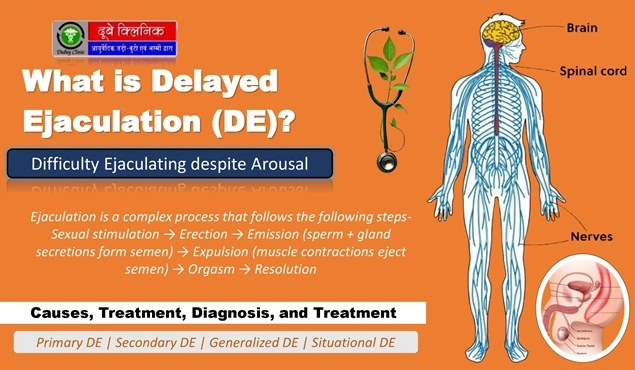
Dr. Sunil Dubey states that this sexual issue can be classified in various ways based on its nature. While it typically becomes common after the age of 40, some younger individuals may also struggle with it. Let us understand the classification of 'delayed ejaculation,' a condition characterized by this specific issue.
- Lifelong DE: Delayed Ejaculation is an issue related to orgasm that can begin as early as a person's first sexual experience. It is crucial to address the root causes of this sexual problem, as the condition can stem from a variety of factors. In cases of lifelong delayed ejaculation, the problem is present from the individual's very first sexual experience.
- Acquired DE: In men, 'acquired delayed ejaculation' (a condition of delayed ejaculation that develops later) emerges at some point during their sexual lives. Patients with such sexual problems often report that their ejaculation—or the timing of it—was previously normal but has since become irregular, causing them personal distress during sexual activity.
- Generalized DE: Generalized delayed ejaculation is a common issue associated with sexual activity; essentially, in this condition, a person has difficulty ejaculating during any type of sexual activity.
- Situational DE: 'Situational' or 'conditional' delayed ejaculation is a specific condition related to a man's sexual activity. In this state, a man experiences difficulty ejaculating during sexual activity under specific circumstances or with a particular partner. Although he receives adequate sexual stimulation, he is unable to ejaculate properly.
Dr. Dubey states that lifelong and acquired 'delayed ejaculation' (DE) can be treated, whereas DE occurring under specific or situational circumstances can be managed.
Symptoms of Delayed Ejaculation (DE)
The definition of 'Delayed Ejaculation' provides insight into its nature and the challenges it creates within the male sexual activity and response cycle. In this condition, a man takes significantly longer than expected to ejaculate during the orgasmic stage. Consequently, this creates a complex situation regarding sexual activity between the man and his partner.
Dr. Sunil Dubey is a leading ayurvedic sexologist in Bihar (India) who treats the entire sexual problems in men with holistic approach and integrated treatment method. He states that symptoms are the indicators through which a person becomes aware of their issues; they help in understanding and distinguishing between different problems. It is through these symptoms that an individual recognizes their problem and decides to seek professional help. Regarding the issue of delayed ejaculation, Dr. Dubey has outlined some common symptoms observed in most men. Some common symptoms include:
- The most common age group for men experiencing delayed ejaculation is 30–50 years.
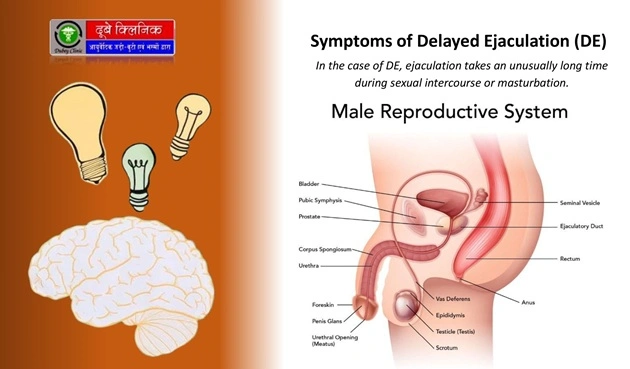
- In the case of DE, ejaculation takes an unusually long time during sexual intercourse or masturbation.
- The major symptom of DE is inability to ejaculate despite prolonged stimulation
- Being able to ejaculate only under specific circumstances (e.g., only during masturbation, but not with a partner).
- Feeling physically or mentally exhausted before ejaculation
- Frustration, distress, or relationship difficulties associated with delayed ejaculation or the absence of ejaculation.
- A decrease in sexual satisfaction for one or both partners during sexual activity
Dr. Dubey says that 'Delayed Ejaculation' (DE) is considered a condition when it becomes a recurring issue for a man, negatively affecting his mental health, relationships, and general well-being. This sexual issue persists over several months, causing significant distress to the individual or their partner. If the problem occurs only occasionally, it is not classified as a sexual disorder; instead, it is attributed to factors such as fatigue, stress, or an unhealthy lifestyle.
What do science and research say about delayed ejaculation?
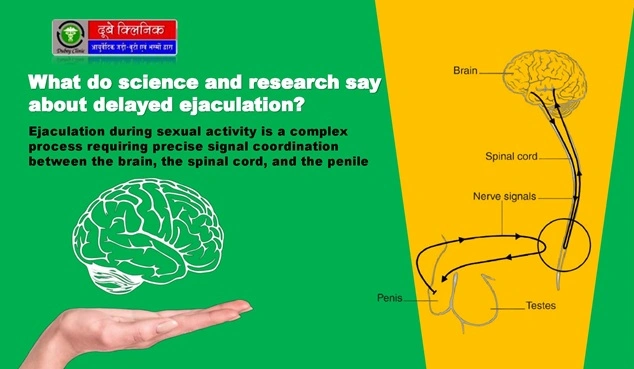
Dr. Sunil Dubey explains that ejaculation during sexual activity is a complex process requiring precise signal coordination between the brain, the spinal cord, and the penile. Physical conditions such as diabetes-related nerve damage, spinal cord injuries, multiple sclerosis, and Parkinson's disease often disrupt the nerve signals necessary to initiate ejaculation.
Brain chemicals, also known as neurotransmitters, play a crucial role in ejaculation. High levels of serotonin delay ejaculation—an effect often caused by most antidepressant medications. Low levels of dopamine negatively impact sexual desire and orgasm, and also hinder proper ejaculation. An imbalance of the hormone oxytocin interferes with the processes of orgasm or ejaculation in men.
Various hormonal imbalances—such as low testosterone levels, low thyroid hormone levels, and high prolactin levels—disrupt the nerve signals traveling from the brain to the body. These disturbances associated with hormonal imbalance are a primary cause of ejaculation-related problems in individuals. Basically, this is a less common factor but some people face this problem related to their ejaculation difficulties.
Common causes of delayed ejaculation in men include certain medical conditions and specific medications. As is known, SSRIs, antidepressants, certain antipsychotic drugs, and medications used to treat an enlarged prostate or high blood pressure can disrupt the balance of hormone levels, neurotransmitters, and the mind-body connection. Strong clinical evidence indicates that the side effects of these medications are responsible for delayed ejaculation in men, a condition classified as a sexual dysfunction.
Studies consistently show that psychological factors are among the most common causes of sexual health issues. In cases of delayed ejaculation, various psychological factors—such as performance anxiety, depression, chronic stress, and relationship problems—can lead to the condition, either on their own or in combination with physical causes.
As one ages, changes in nerve function, blood flow, and overall sexual response can make delayed ejaculation a common occurrence. However, the problem of excessively delayed ejaculation is not considered an inevitable part of aging. It is true that sexual habits can contribute to this issue. For instance, frequent masturbation using a specific technique can lead to delayed ejaculation. The condition is also more likely to occur if the method of stimulation differs significantly from the stimulation provided by a female partner.
Causes of Delayed Ejaculation (DE)
According to the difficulties, scientific views, and symptoms of Delayed Ejaculation in men, we have clearly understood that this is a sexual problem with orgasm (ejaculation). Since, in this condition, an individual has proper desire and arousal for their sexual activity but ejaculation or orgasm create difficulties. Based on daily clinical experience and research, Dr. Sunil Dubey states that men face issues related to delayed ejaculation or orgasm for various reasons. In most cases, this problem is not caused by a single specific factor but rather by a combination of biological, psychological, and behavioral factors.
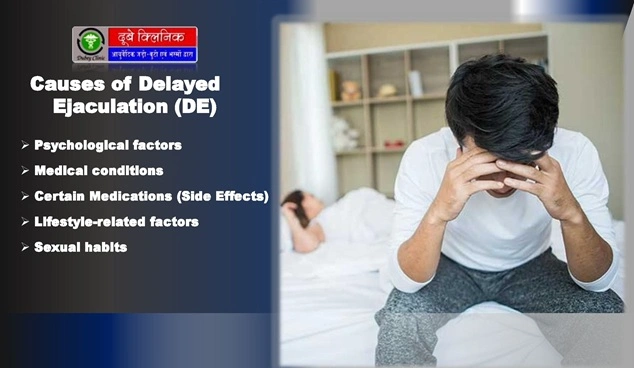
Let us explore some of the potential causes of delayed ejaculation in men.
Psychological factors
- Stress or anxiety (Persistent)
- Performance anxiety
- Depression
- Relationship conflicts
- History of sexual trauma
- Cultural or religious beliefs (Induce guilt regarding sexual relations)
Medical conditions
- Diabetes (nerve-related damage)
- Multiple sclerosis
- Parkinson's disease
- Stroke
- Spinal cord injuries
- Hormonal issues (low testosterone or thyroid problems)
- Pelvic surgery (e.g., prostate surgery) In case of affected nerve
Certain Medications (Side Effects)
Some certain medications for chronic diseases can delay ejaculation, including:
- Antidepressants, SSRIs (fluoxetine, sertraline, and paroxetine)
- Certain antipsychotic medications
- Certain blood pressure medications
- Certain medications used for an enlarged prostate
Lifestyle-related factors
- Excessive alcohol consumption
- Recreational drug use or addiction
- Fatigue for Long-term
- Prolonged stress or anxiety
Sexual habits
- Engaging in a specific, repetitive pattern of masturbation that is difficult to replicate during sexual intercourse with a partner.
- Excessive use of pornography in some individuals; however, the evidence regarding this is mixed, applicable in specific case.
With aging, it may naturally take longer to ejaculate due to changes in nerve function, a decline in hormone levels, and alterations in the body's sexual response. However, excessive or sudden delays in ejaculation are not considered a normal part of aging. Therefore, an examination is necessary to identify the underlying cause of this sexual issue.
Diagnosis of Delayed Ejaculation (DE)
According to Dr. Sunil Dubey, a renowned clinical sexologist in Patna (Bihar), diagnosing delayed ejaculation (DE) requires identifying the presence of the condition and determining its underlying cause. Various medical procedure is conducted to diagnose this sexual issue. Primarily, the diagnosis is based on medical and sexual history, a physical examination, the timing of the problem, and laboratory tests if necessary.
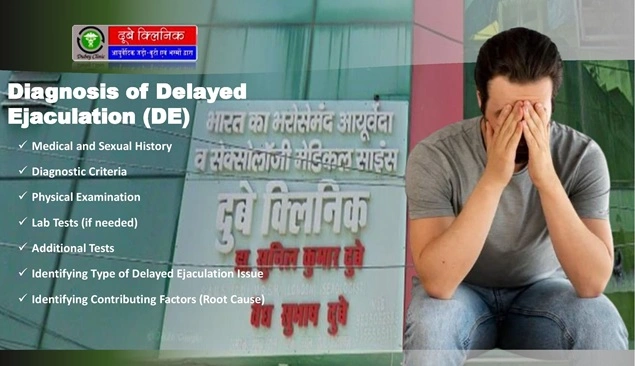
Let us understand how delayed ejaculation is diagnosed and the comprehensive medical approach associated with it, so that an individual can be helped in resolving this issue.
Medical and Sexual History
This is the most crucial part of the evaluation for delayed ejaculation problem in a person. Qualified sexual healthcare providers may ask about the following:
- How long has this problem existed?
- Was this problem always present, or did it start later?
- Does the problem occur during sexual intercourse, masturbation, or both?
- Is ejaculation delayed, or does it not occur at all?
- Does the problem occur with all partners or only in specific situations?
- How are sexual desire (libido) and erectile function (ability to achieve an erection)
- Pattern of Lifestyle and use of current medications, alcohol consumption, and recreational medicine use
- Medical conditions such as diabetes or neurological disorders
- Psychological factors, such as stress, anxiety, depression, or relationship issues
Diagnostic Criteria
In reality, the diagnostic criteria for this condition are based on an individual's specific circumstances. Qualified sexual healthcare professionals use the following methods to identify this issue:
- There is a significant delay in ejaculation, ejaculation occurs very infrequently, or ejaculation does not occur at all during most sexual activity.
- These symptoms have been present for at least six months or years.
- The condition causes significant distress or anxiety for the individual.
- The condition cannot be better explained by another medical condition, medication, or severe relationship stress.
Physical Examination
To diagnose ejaculation-related issues such as delayed ejaculation, a physical examination may include the following:
- Examination of the penile and testicles
- Assessment of prostate health, if necessary
- Neurological examination to check for sensation and reflexes
- Checks for signs of hormone-related issues or other underlying medical conditions
Lab Tests
Sexual health specialists generally recommend undergoing lab tests. These tests are conducted when there is a suspicion of specific underlying issues:
- Blood glucose or HbA1c (diabetes)
- Testosterone levels (Low level)
- Thyroid function test (hypo or hyper)
- Prolactin levels (if a hormone-related issue is suspected)
- Other tests based on the individual's medical history
Additional Tests
If nerve damage or structural abnormalities are suspected, sexual healthcare specialists may recommend the following tests:
- Nerve function studies
- Imaging tests (in certain cases)
- Urological evaluation
Identifying Type of Delayed Ejaculation Issue
Sexologist doctors often classify DE into these categories:
- Lifelong: Present since the individual's very first sexual experiences.
- Acquired: Develops after a period of normal ejaculation.
- Generalized: Occurs in all sexual situations.
- Situational: Occurs only with specific partners or during certain sexual activities.
Identifying Contributing Factors (Root Cause)
Actually, the purpose of this medical assessment is to determine the primary cause of this sexual problem.
- Medication-related
- Hormonal-related
- Neurological-related
- Psychological-related
- Relationship-related
- A combination of these factors
In fact, the diagnostic process helps identify the root cause of sexual problems and suggest appropriate and comprehensive treatment.
When should one seek professional help for delayed ejaculation?
For everyone—and especially for those facing ejaculation-related issues (such as delayed ejaculation)—it is always important to consult a sexologist to improve sexual health. Here are some common symptoms and issues observed in people who experience delayed ejaculation. Keeping the following factors in mind, one might consider seeking expert advice and treatment for the problem of delayed ejaculation.
- Persistent difficulty with ejaculation (delayed ejaculation) lasting for several months.
- This sexual issue causes distress to the individual or their female partner.
- The individual is unable to ejaculate despite significant arousal and stimulation.
- The problem of delayed ejaculation began after starting a new medication.
- Presence of erectile dysfunction, low libido, numbness, weakness, or urinary problems.
- A man is unable to ejaculate during sexual intercourse or any sexual activity.
- Struggle with pain, weak erectile tissue, or difficulties with ejaculation during or after sexual intercourse or any other sexual activity
Expert Advice & Treatment for DE
Dr. Sunil Dubey practices at 'Dubey Clinic' (a certified Ayurvedic sexology clinic in India) and assists individuals struggling with various sexual health issues. He treats each sexual problem by addressing its root cause offering personalized treatment. His aim is to identify and treat the root cause, rather than just treating the symptoms. Regarding delayed ejaculation (DE), he notes that treatment depends on the underlying cause of the various conditions. Since DE can stem from physical, psychological, medication-related, or relationship issues, the treatment approach typically varies according to each patient's specific situation.

Treatment for Underlying Medical Conditions
Dr. Dubey states that if delayed ejaculation (DE) is caused by a medical condition, treating that condition may improve ejaculation. For example:
- Improving blood sugar control in diabetes
- Treating hypothyroidism (thyroid disorders)
- Treating low testosterone (medically confirmed and appropriate)
- Managing neurological disorders
Psychological and Sexual Therapy
In DE case, sexual therapy is effective when psychological or relationship-related factors are involved. These may include:
- Cognitive Behavioral Therapy (CBT)
- Sexual therapy (Individualized Treatment)
- Couples counseling or therapy
- Treatment for anxiety or depression
The goal of this sexual therapy may be to reduce performance anxiety, improve communication, and address relationship-related concerns.
Lifestyle Modification
While lifestyle changes alone cannot completely treat delayed ejaculation (DE), they can help improve sexual health:
- Avoid excessive alcohol consumption.
- Stay away from recreational medicine of drugs.
- Exercise regularly and do yoga.
- Maintain a healthy weight.
- Get adequate sleep at night.
- Manage chronic stress.
Review Current Medications
Since most cases of DE (delayed ejaculation) are associated with medications—specifically SSRIs and other antidepressants, certain antipsychotics, and some medications for an enlarged prostate—doctors may consider adjusting the dosage, switching the medication, or changing the timing of the dose. However, people (victim) do not stop taking prescribed medications without consulting your doctor, especially antidepressants.
Sexual Techniques (Methods)
An expertise sexual therapist (clinical sexologist) might suggest:
- Trying different methods for arousal
- Increasing foreplay and comfortable activity
- Reducing the pressure to reach orgasm
- Modifying other sexual habits, if necessary, as these can differ significantly from the sexual arousal experienced with a partner.
These methods vary from person to person, and it is not necessarily the case that they are essential or effective for everyone.
Diagnosis of the disease (Prognosis)
The approach depends on the cause:
- Medicine-related DE often improves following appropriate medication changes.
- Psychological causes often respond to sexual therapy.
- Hormonal causes may improve once the imbalance is corrected.
- Neurological causes can be more challenging, but improvement is still possible with targeted treatment and supportive care.
The most effective treatment is one that addresses the root cause of the sexual problem. A systematic assessment by a sexual healthcare professional can help distinguish between the effects of medication, underlying medical conditions, psychological factors, and other elements, allowing for a treatment plan tailored to your specific situation. Many people experience improvement once the factors exacerbating the problem are identified and properly managed.
Personalized Integrated Ayurvedic Approach for Delayed Ejaculation
Dubey Clinic is a medically registered Ayurvedic sexology clinic where a team of experts—including MBBS doctors, PhD and MD holders, SMEs, and counselors—assists individuals struggling with various sexual health issues. Dr. Sunil Dubey leads this expert team, and they are all dedicated to providing personalized and integrated treatment to every patient dealing with sexual health concerns. As we know, India's traditional system of medicine, Ayurveda, is helpful in treating sexual problems linked to mental, emotional, and lifestyle factors. To address the root cause of sexual health issues, it is beneficial to devise an integrated Ayurvedic treatment plan that combines modern and traditional medical approaches.
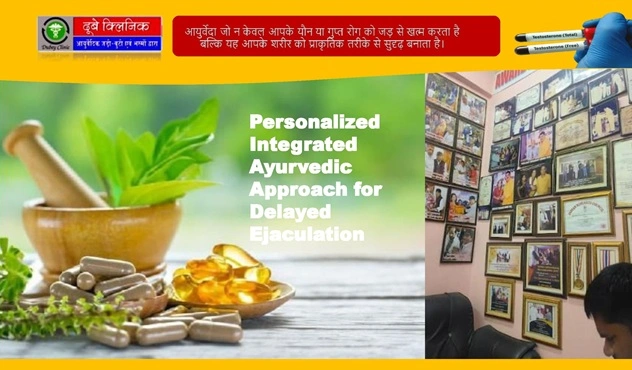
Dr. Dubey provides Ayurvedic medicines based on high-quality scientific evidence, specialized herbal formulations, and naturopathy for the treatment of sexual problems. In Ayurveda, a personalized plan is typically based on an individual constitution (prakriti), symptoms, and overall health. This personalized sexual therapy includes the following:
Ayurvedic Assessment
- Digestive health (Agni)
- Sleep and energy levels
- Stress and mental health
- Diet and lifestyle
- Bowel habits
- Individual constitution (Vata, Pitta, Kapha)
Personalized Ayurvedic medicines (herbal formulation)
- Ashwagandha (Withania somnifera)
- Safed Musli (Chlorophytum borivilianum)
- Kapikachhu (Mucuna pruriens)
- Gokshura (Tribulus terrestris)
- Shatavari (Asparagus racemosus)
Lifestyle-related measures
- Maintaining a regular sleep and dietary routine
- Consuming a balanced and nutritious diet
- Reducing stress through yoga or meditation
- Engaging in regular physical activity
- Avoiding excessive alcohol and tobacco use
Integrated Medical Approach
- Assessment of physical and mental causes for treatment
- Treatment of existing medical conditions (e.g., diabetes, thyroid issues)
- Review of current medications and medical history to make necessary adjustments
- Personalized psychological and sexual therapy, if required
- Clinically proven Ayurvedic care and personalized medications
Why Choose Us
Dr. Sunil Dubey is a world-renowned name whose contribution to sexology treatment and counseling within the field of modern Ayurveda has been unparalleled. He practices at Dubey Clinic every day and helps those who are struggling in their personal or marital lives due to any kind of sexual problems. He possesses extensive experience (35+ years) in this profession, along with the credentials, licenses, and expertise that assure people of safe, effective, and certified comprehensive sexual therapy.
Dr. Sunil Dubey's Expertise for the Public:
Even without claiming to be India's number one sexologist, most sources regard Dr. Sunil Dubey as the leading and most reputed sexual health doctor for the public. As a professional, this world-class sexologist holds professional and education degrees including a B.A.M.S. (Bachelor of Ayurvedic Medicine and Surgery) from Ranchi, an M.R.S.H. (Member of the Royal Society for Public Health) from London, and a Ph.D. in Ayurveda from the USA.
In India, he is the first modern Ayurvedic sexologist to be honored with the Bharat Gaurav Award (2018), the International Ayurveda Ratna Award (2019), the Asia Fame Ayurvedic Sexologist Award (2019), the India Best Sexologist Award (2016), the Bihar Shri Ratna Award (2016), the Bihar Jyoti Award (2016), and numerous other such national and global awards. All these honors and achievements reflect competence, knowledge, and expertise in this profession. His philosophy is entirely centered—within the framework of a scientific perspective—on natural remedies, naturopathy, and unadulterated herbal medicines.
- Excellence with 60 years on belief of million people
- Precise Diagnosis (Physical, Mental, and Hormonal)
- With Confidentiality and Professional Ethics
- Personalized and Proven Ayurvedic Treatment
- A Holistic Approach to Sexual or Couples Therapy
- Protection Against Fraudulent and Harmful Treatments
Awards & Achiements



News Features




Our presence on the other online platform to know more about Best Sexologist in Patna, Bihar India
Our presence on the other online platform to know more about Best Sexologist in Patna, Bihar India
Our presence on the other online platform to know more about Best Sexologist in Patna, Bihar India
Our presence on the other online platform to know more about Best Sexologist in Patna, Bihar India
Our presence on the other online platform to know more about Best Sexologist in Patna, Bihar India
