

In the medical terminology of sexology, 'night discharge' is referred to as 'nocturnal emission,' while in common parlance, it is known as a 'wet dream' or 'nightfall.' In reality, this is a natural bodily process that serves as an indicator of the onset of puberty and healthy sexual function. In such instances, a male experiences ejaculation during sleep—specifically, this occurs during the 'Rapid Eye Movement' (REM) phase of sleep, a time when the subconscious mind is more active. Some individuals may experience certain issues related to this natural and spontaneous bodily process—such as frequent occurrences, concerns regarding mental health, physical weakness, or difficulty managing daily life. As for 'nightfall' (nocturnal emission), it can occur for various reasons, including normal hormonal activity, sexual arousal during sleep, or variations in how the body regulates the ejaculation of semen. The primary cause of 'nightfall' (nocturnal emission) in an individual is a change in hormone levels within the body, which enhances processes related to sexual desire and reproductive health. It can also be triggered by sexual dreams or arousal. Experiences vary from person to person; for some, it is a normal occurrence, while for others, it may be less common. Abstaining from sexual activity is also a frequent cause. During sleep, natural shifts in brain activity can lead to an erection, which may occasionally result in ejaculation.
From the perspective of modern medical science, 'nightfall' (nocturnal emission) is not a disease, a sign of weakness, or an indication of a health problem; rather, it is a normal and involuntary physiological process. It primarily involves the ejaculation of semen during sleep. This is a common occurrence for the body during adolescence and, at times, even in adulthood. Numerous studies and systematic reviews have been published in the field of sexual medicine regarding 'nocturnal emissions' (wet dreams). It is estimated that approximately 75–95% of adolescents and adults experience 'nocturnal emissions' at some point in their lives, although this figure may vary depending on the specific population and the study in question. The occurrence of nocturnal emissions is governed by various internal bodily factors. Hormonal activity—specifically involving testosterone, which plays a key role in reproductive function and sexual development—can lead to ejaculation during sleep. Since ejaculation is regulated by the nervous system and the reproductive organs, it can occur involuntarily while a person is asleep. Nocturnal emissions may also be accompanied by sexual dreams or sexual desires rooted in the subconscious mind. If a situation (wet dream) is negatively affecting your sexual, physical, or mental health and your quality of life, sexual counseling is important for assessing your overall health and well-being. Sexual counseling, education, behavioral therapy, and individual therapy can be helpful in overcoming this condition and understanding the facts surrounding this sexual health issue.
First and foremost, people should understand that 'nocturnal emission' (wet dreams) is a natural and biological process, which is a sign of puberty or adolescence. If this happens once or twice a week, there is no need to be concerned. For some people, the frequency of 'wet dreams' (nocturnal emissions) does not matter, provided it does not negatively affect an individual's mental well-being or lead to health issues related to their lifestyle. The Ayurvedic perspective offers a traditional framework for understanding semen, reproductive health, sleep, and mental health. In contemporary Ayurveda, the occurrence of 'nocturnal emissions' is referred to as "wet dream," a term that may vary across different cultures. According to Ayurveda, a nocturnal emission is a natural physiological process; if it does not negatively impact an individual's health, it is considered normal. However, when it begins to cause distress—affecting an individual's mood, mental well-being, or lifestyle—it is classified as an abnormal condition, or 'night discharge.' Traditional Ayurvedic interpretations take into account various facets of an individual's health, including the mind, the doshas (Vata, Pitta, and Kapha), and shukra dhatu (reproductive tissue/semen). Modern Ayurvedic practice integrates contemporary approaches to provide personalized sexual therapy specifically tailored to address the issue of 'Nocturnal Emission.' Ayurvedic treatment with hoplitic medical approach offers personalized sexual therapy, which takes into account factors such as sleep patterns, stress levels, daily lifestyle, mental state, physical constitution, and other health-related aspects.
Night Discharge: Preview, Symptoms, Causes, Prevention, Treatment Options
Night Discharge (CBS) Treatment in India: Dr. Sunil Dubey
If you are seeking expert advice and professional care for 'night discharge' (medically known as 'nocturnal emission'), you have come to the right place. Here, you will find assistance with counseling, sexual therapy, and the prevention of various sexual health issues.
World-renowned Ayurvedacharya and sexual medicine expert Dr. Sunil Dubey, who is the best Ayurvedic sexologist in Patna, Bihar, has done his research on this culture-specific syndrome. Actually, nocturnal emission is a normal process that can occur in a person's sexual life on a long-term or short-term basis. Western medical science does not recognize it as this sexual problem, while Ayurveda has its own approach and idea. In fact, Ayurveda knows the connection between mind and body and always understands the needs of the soul, that is why it identifies this nocturnal ejaculation as "Shukra Dosha" and the imbalance of doshas (Vata, Pitta and Kapha) in the body. Based on his research, daily practice, and studies; he says that Excess of every phenomenon is bad, whether it is natural or artificial, it does not matter. Balance is always necessary for a healthy life. Here, the same thing applies to this nocturnal ejaculation where short-term phenomenon is a normal process but long-term phenomenon is a sexual disease.
An Overview of Wet Dream
According to Sexology and Health Medicine, nocturnal ejaculation, also known as wet dreams or night ejaculation, is an involuntary orgasm that occurs while a person is asleep, particularly during rapid eye movement (REM). This phenomenon is a normal and natural part of human sexuality, usually beginning during puberty and continuing into adulthood, although its frequency may decrease with age. Both men and women experience this nocturnal ejaculation at some point in their lives which is a normal part of their abstinent sexual life.
'Nocturnal Emission' (also known as night discharge, nightfall, wet dreams, and Swapnadosh) is a sexual health issue deeply rooted in culture, for which modern medical science lacks concrete evidence or a definitive explanation. In this context, we will discuss this specific culturally linked sexual issue—nocturnal emission—from an Ayurvedic perspective, as it is predominantly observed in countries of the South Asian subcontinent, such as India, Sri Lanka, Bangladesh, Bhutan, and their neighbors.
Renowned Ayurvedacharya Dr. Sunil Dubey—a certified Ayurvedic physician specializing in the treatment, counseling, research, and therapy of sexual disorders—has provided comprehensive information regarding sexual issues associated with this phenomenon. Specifically, he has conducted research on the issue of 'night discharge' (nocturnal ejaculation) in men—a condition often viewed through the lens of both myths and persistent sexual health concerns. Beliefs surrounding 'wet dreams' (nocturnal emissions) involve a mix of myths and genuine sexual health issues. However, to distinguish between a mere myth and a genuine sexual health problem, it is essential to understand the patterns and frequency of 'nocturnal emissions' in the context of a healthy lifestyle.
In Males ♂️
In men, nocturnal ejaculation (night discharge) involves the spontaneous ejaculation of semen during sleep. It often occurs during sexual dreams, but it can also be caused by hormonal fluctuations or physical stimulation in bed. It is the body's way of expelling stored semen, and its frequency can vary considerably from person to person. This nocturnal emission can be short-term or long-term in a person's sexual life. Short-term nocturnal ejaculation is not a problem and the person feels better after this ejaculation. On the contrary, when this nocturnal ejaculation stays with the person for a long time; it can cause stress, depression and anxiety in the person's life.
In Females ♀️
Although it is usually associated with men, women can also experience nocturnal ejaculation. In this case, it refers to the feeling of orgasm while sleeping, which may or may not be accompanied by sexual dreams or vaginal fluid discharge. This experience is often harder to recognize than in men, as there is no visible ejaculation of semen in female.
What is Nocturnal Emission?
Simply put, "night discharge" (nocturnal emission) is the involuntary release of semen during sleep. It typically occurs late at night or in the early morning, when our subconscious mind is most active during the 'Rapid Eye Movement' (REM) stage.
According to traditional Ayurvedic texts and ancient Ayurvedic physicians, 'nightfall' (nocturnal emission) is described in a manner distinct and different from modern medical science. Here, we will explore the topic of nightfall (wet dreams) from the perspectives of both modern medical science and Ayurvedic medical practices. This information will certainly assist those who are dealing with the persistent issue of nightfall in their personal sexual lives.
What does modern medical science say about 'nightfall' (wet dreams)?
'Nocturnal emission' is the medical term for a 'wet dream' or 'night discharge,' a common occurrence in a person's sexual life. In this condition, semen is involuntarily released during sleep, typically through ejaculation. This can happen late at night or early in the morning, often during sexually explicit dreams or without it. Essentially, it is a normal biological process in humans. While common during puberty and adolescence, adults can also experience it. The frequency of nocturnal emissions varies from person to person. It does not cause weakness, infertility, or a decline in sexual ability. Medical treatment is not required unless accompanied by symptoms such as penile pain, a burning sensation or swelling during urination, or blood in the urine.
What does Ayurvedic medical practice say about Swapnadosh (wet dream)?
According to the Ayurvedic system of medicine, occasional nightfall (nocturnal emission) is generally considered a natural process, sign of adolescence, puberty and does not require treatment. Frequent or distressing nightfall may be viewed as a sign of bodily imbalance. This often involves disturbances related to 'Vata dosha' and—according to some Ayurvedic views—'Pitta dosha,' as well as issues concerning 'Shukra dhatu' (reproductive tissue).
Based on his research, daily clinical experience, and various studies, Dr. Sunil Dubey states that to properly understand this sexual health issue, it is essential to consider certain aspects of 'nightfall' (wet dreams). According to Ayurveda, causes may include excessive sexual thoughts, heightened arousal, irregular sleep patterns, stress, specific dietary habits, and lifestyle imbalances. However, the involuntary discharge of semen without any intent for sexual activity can be either a myth or a genuine problem; it entirely depends on factors such as frequency, patterns, physical issues, mental health, sexual health, and overall well-being.
Nature of Problems associated with Night Discharge (Wet Dreams)
Dr. Sunil Dubey states that this is one of the most crucial points for understanding the nature of issues related to night discharge or 'wet dreams' (nocturnal emissions). This perspective sheds light on both the scientific aspects and the actual causes of night discharge, enabling an individual to determine whether their concern regarding sexual health is valid or unfounded.
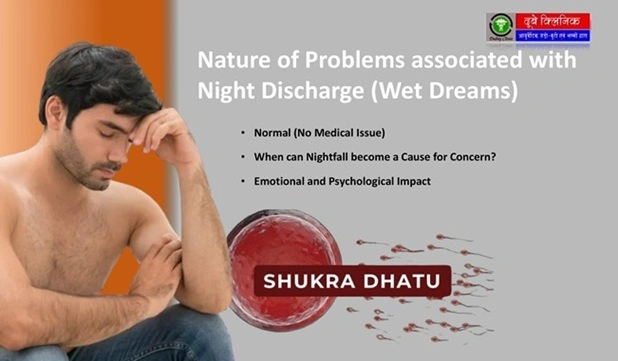
When a person experiences an involuntary discharge during sleep, it is important to determine whether this is a normal bodily process or if it is accompanied by symptoms such as mental health issues, pain, inflammation, fatigue, or other problems. Let us explore about both normal and concerning situation of nightfall.
Normal (No Medical Issue)
For most people, nightfall (wet dreams):
- This is a normal physiological process.
- This is common during adolescence and young adulthood.
- It occurs occasionally (a few times a month) and is not harmful.
- This is not linked to weakness, infertility, or a decline in sexual ability.
- It does not interfere with an individual daily life or sleep.
When can Nightfall become a Cause for Concern?
If night discharge (seminal emission during sleep) is accompanied by any of the following problems, it is essential to seek advice and treatment from a specialist or sexual healthcare professional:
- Persistent condition of nightfall (many times a month).
- Mental health concerns like anxiety or depression.
- Pain during or after ejaculation during sleep.
- A burning sensation while urinating or ejaculation.
- Blood in the semen or urine.
- Abnormal discharge from the penile while awake.
- Fever, burning while urinating, or pelvic pain
- Persistent pain in the pelvic area (lower abdomen) or genitals.
- Foul-smelling discharge or signs of infection.
Emotional and Psychological Impact
In cases of nightfall (nocturnal emission), some individuals may experience the following:
- Feelings of anxiety or guilt due to cultural or religious beliefs.
- Fear of losing their strength or fertility.
- Embarrassment or sleep disturbances.
- Fear of loss of their virginity or celibacy
- Loss of Masculinity or sexual strength or stamina
- Fear of Dry Orgasm, Reproductive Health, and ED
Although 'wet dreams' (nocturnal emissions) are generally normal, the concerns associated with them can be significant. Access to accurate information, expert advice, and counseling, if needed, can help alleviate unnecessary anxiety and low quality of life or any culture-related issues.
Common Sings and Symptoms of Nocturnal Emission (Wet Dream)
Renowned worldwide, Ayurvedacharya Dr. Sunil Dubey is one of top sexologists in India. He practices at Dubey Clinic, helping individuals facing difficulties in their married or personal lives due to issues related to sexual health, genital skin conditions, sexually transmitted infections (STIs), culture-specific syndromes, male infertility, or other sexual health concerns.
He is a licensed sexual healthcare professional authorized to treat and conduct research on sexual health issues. Regarding 'nightfall' (nocturnal emission) among young people, he states that it is essentially a normal biological process of the human body. In this context, the frequency of the occurrence matters; if it begins to impact one's mental state, daily lifestyle, or self-confidence, or leads to physical issues (such as pain, inflammation, or weakness), then counseling is the best option to address the situation. Let us look at some common symptoms of nightfall (wet dreams)—symptoms that many people don't even realize have occurred until they wake up. Common symptoms include:
- Waking up with wet underwear or pajamas due to seminal discharge or ejaculation.
- Feeling a sticky or wet sensation in the genital area.
- Sometimes recalling a sexual dream, though this does not always happen.
- In most cases, there is no pain or discomfort during this involuntary discharge in sleep.
Common Misconceptions or Myths about Nightfall:
- Nightfall is a disease and it will harm their sexual health.
- Some people report weakness, loss of masculinity, infertility, or permanent health problems due to this nightfall.
- Unless it is associated with another medical condition or causing significant discomfort, treatment is not required.
- A fear related to social health, which is also linked to their mental health and self-evaluation.
- Doubting yourself and feeling embarrassed in front of others, thinking they can read your mind.
If you are concerned about frequent nightfall, pain, or any other specific symptoms, this is the right time to seek expert advice and assistance.
Causes of Nightfall (Wet Dream)
As we know, nightfall is a normal part of the functioning of the male reproductive system and generally does not indicate a health problem. Especially in adulthood, there can be several common reasons for such nightfall (nocturnal ejaculation).
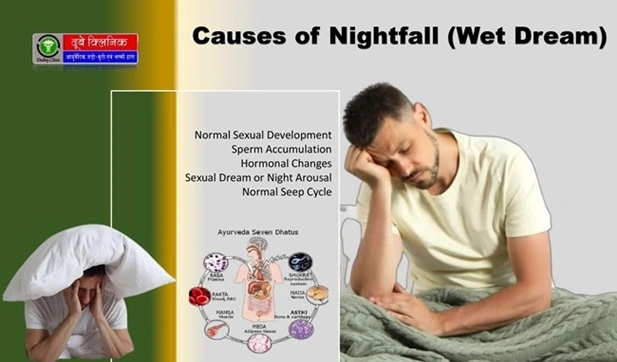
- Normal Sexual Development: During puberty and young adulthood, the body's production of sperm and semen increases, making 'wet dreams' (nocturnal emission) more common. Basically, it is a sign of good sexual health and its function.
- Semen Accumulation: If a person has not ejaculated for some time, the body may release semen during sleep. This is similar to a bucket full of water overflowing when filled beyond its capacity.
- Hormonal Changes: Fluctuations in hormone levels—particularly changes in testosterone—can also be a contributing factor. 'Wet dreams' (nocturnal emissions) are most commonly observed in the sexual lives of young people (aged 14–26) in India.
- Sexual-related dreams or arousal during sleep: Although "wet dreams" (nocturnal emissions) often occur without a specific dream, sexual arousal during sleep can lead to ejaculation. Most people report having sexual dreams, while others experience this without any dream at all.
- Normal Sleep Cycle: Experiencing an erection during sleep—especially during REM (Rapid Eye Movement) sleep—is a normal physiological process, and sometimes it can even lead to ejaculation. This can vary from person to person.
In most cases, no treatment is required. Nightfall is a normal bodily process and causes no physical harm. However, some individuals may need clinical and personal assistance to cope with this persistent, painful, and distressing condition.
When to consult a sexologist doctor:
It is advisable to consult a healthcare professional in the following situations:
- If nightfall (wet dreams) is accompanied by pain, a burning sensation, bleeding or any discomfort.
- If there is blood in the semen or having difficulties with other biological conditions due to this sexual condition; it is advised.
- If you experience symptoms of a urinary or genital infection, such as fever, unusual discharge, or pain during urination.
- If these occurrences cause significant distress or are linked to other sexual or urinary problems.
- The episodes cause significant anxiety or interfere with an individual’s quality of life.
Occasional nightfall (wet dreams) does not require any treatment or medical examination, as it is a normal part of sexual health and growing into adulthood. It becomes a medical issue when nightfall occurs frequently and adversely affects the individual's physical, mental, sexual, or reproductive health.
Diagnosis of Nightfall or Wet Dream
Nightfall, or a 'wet dream' (ejaculation during sleep), is actually a normal and natural process that indicates a person has reached adulthood. It is generally a normal bodily function; occasional ejaculation during sleep is not a medical condition. In most cases, it does not require any specific tests or examinations. However, for individuals who experience frequent ejaculation alongside nightfall—or face issues related to physical, mental, or sexual health during this condition—various diagnostic methods are used to investigate this specific sexual concern. Typically, a qualified sexual healthcare professional identifies or assess the condition using various methods:
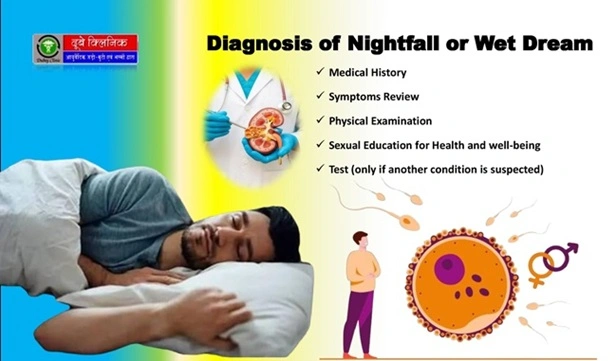
Medical History
- What is actual age and how general health is
- Frequency of wet dreams a week or a month
- Whether they are causing distress or affecting daily life
- Sexual and reproductive history
- Current medications and any pre-existing medical conditions
Symptoms Review
- Current Frequency of Wet Dream
- Physical or Mental Impact of Wet Dream
- Pain during Ejaculation
- Blood in the semen
- Burning or pain while urinating
- Unusual penile discharge
- Fever or pelvic pain
Physical Examination
If there are concerning symptoms, the sexologist doctor may examine the genitals, abdomen, and sometimes the prostate (depending on age and symptoms).
Sexual Education for Health and well-being
A qualified sexual healthcare professional provides counseling and sexual therapy, addressing an individual's mental health, knowledge gaps regarding sexual health, and overall well-being. This is essential for their mental, emotional, social, and physical development.
Test (only if another condition is suspected)
Generally, people who experience 'wet dreams' (nocturnal emissions) do not require lab tests. However, if symptoms suggest an underlying issue, a sexologist doctor may recommend the following tests:
- Urinalysis to check for urinary tract infections.
- Urine culture if an infection is suspected.
- Semen analysis if there are concerns regarding fertility or abnormal semen.
- Blood tests if hormonal or other medical conditions are suspected.
- Testing for sexually transmitted infections (STIs) if there is a risk of infection.
- Imaging studies (such as ultrasound) only in specific cases where structural abnormalities are suspected.
Treatment Options of Nightfall or Wet Dream
In India, treatments for nightfall or 'wet dreams' (ejaculation during sleep) are primarily based on Ayurvedic principles and a holistic approach to healthcare. In modern medical science, nightfall (wet dreams or nocturnal emissions) is considered a normal physiological process rather than a disease; therefore, most people do not require treatment for it.
Dr. Sunil Dubey, the best clinical sexologist in Patna, Bihar, has successfully conducted research on this specific sexual issue—nocturnal emission (commonly known as nightfall or wet dreams)—and developed an effective, evidence-based Ayurvedic treatment method. He states that occasional, involuntary leakage or ejaculation of semen during sleep is not a problem; rather, it is a sign of sexual maturity and healthy sexual function. However, it is important to recognize that for some individuals, frequent nocturnal emissions can become a concern, as the underlying causes may stem from a variety of factors—including physical, mental, medical, sexual, and emotional issues, as well as lifestyle and hygiene habits. According to modern concepts regarding the treatment of nightfall, it is based on several approaches—
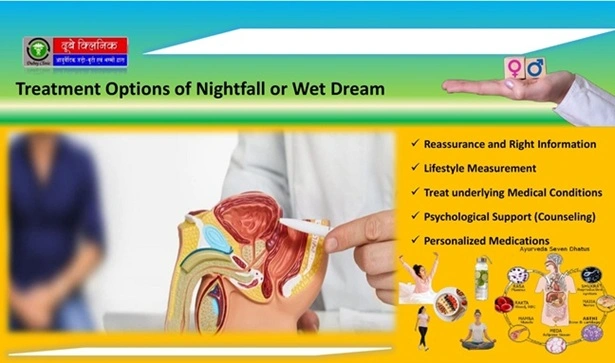
Reassurance and Right Information
- Understanding that 'wet dreams' (nocturnal emissions) are a normal part of sexual health is often all that is needed.
- This can vary from person to person and may decrease with age.
Lifestyle Measurement
If an individual is troubled by nightfall (wet dreams), the following measures may prove helpful:
- Maintain a regular sleep schedule.
- Exercise and do yoga regularly.
- Reduce stress using relaxation techniques.
- Avoid caffeine or heavy meals right before bedtime if they interfere with your sleep.
- Wear clean, comfortable underwear and maintain genital hygiene.
Treat underlying Medical Conditions
If nightfall is linked to another condition, treatment should focus on addressing that root cause. For example:
- Urinary Tract Infection (UTI): Antibiotics if a bacterial infection is confirmed.
- Sexually Transmitted Infections (STIs): Appropriate antimicrobial treatment.
- Prostatitis (inflammation of the prostate): Treatment may include antibiotics (if bacterial), anti-inflammatory medications, or other therapies depending on the cause.
Psychological Support (Counseling)
If anxiety, guilt, or misconceptions regarding nightfall (wet dreams) are causing distress, discussing an individual concerns with a sexual healthcare professional or mental healthcare provider can be helpful. Accurate information often alleviates unnecessary worry; restoring mental and social health.
Medications
Generally, medication is not recommended to prevent normal nightfall (wet dreams). Unless a healthcare professional identifies a specific medical condition requiring treatment, they typically advise adopting lifestyle changes, a healthy routine, and stress-reduction techniques instead of prescribing medication.
Role of Ayurveda and Traditional Medical Approach for Wet Dreams
In Ayurveda, nightfall (nocturnal emission) is not considered a sexual disorder; rather, when it occurs naturally and occasionally, it is viewed as a normal and healthy part of life and adulthood. Whether it is considered normal or a disorder depends on the frequency of occurrence, the accompanying symptoms, and the individual's overall health.

Dr. Dubey states that Ayurvedic principles are clear and based on a sound perspective regarding good health and well-being, focusing on restoring the body's internal energy, the mind-body connection, and the body's vital elements (dhatus). He further says that when 'wet dreams' become abnormal in someone's sexual life and give rise to health-related issues, it is always important to exercise caution. First, understand Shukra Dhatu, which is deeply linked to nightfall (nocturnal emission).
What is Shukra Dhatu in Ayurveda?
Shukra Dhatu is the seventh and final dhatu (body tissue) in traditional Ayurvedic theory. It is associated with various aspects of sexual and reproductive health, such as-
- Reproductive Function
- Fertility
- Vitality and strength
- Ojas (vital element linked to stamina and overall health)
According to Ayurveda, Shukra is nourished by the proper formation of all the preceding dhatus (tissues). In Ayurveda, it is said that the body is nourished by seven dhatus. Each dhatu is believed to be formed sequentially from the preceding one through the action of Agni (metabolic process). Let us briefly learn about the seven dhatus (tissues) to arrive at the final conclusion regarding the development of Shukra Dhatu.
- Rasa Dhatu (nutrient fluid): The primary nutrient fluid formed after digestion. It nourishes all other body tissues and helps maintain moisture and energy levels within the body.
- Rakta Dhatu (Blood tissue): It supports life, facilitates oxygen transport (according to modern interpretation), and contributes to complexion and nourishment.
- Mamsa Dhatu (Muscle tissue): It provides strength, mobility, and protection to the body's organs.
- Meda Dhatu (Fat Tissue): Adipose (fat) tissue. It provides lubrication, stores energy, and helps maintain body temperature (insulation).
- Asthi Dhatu (Bone tissue): It provides the body's structural framework and support; in Ayurveda, this encompasses bones, teeth, and nails.
- Majja Dhatu (Bone marrow and nervous tissue): These are located within the bones, it is associated with strength, immunity, and the functioning of the nervous system.
- Shukra Dhatu (Reproductive tissue): In men, it is associated with semen and fertility; in women, Ayurvedic texts link it to the reproductive system and fertility. It is considered vital for vitality and reproduction.
The formation of dhatus (body tissues) begins with food and proceeds in a specific sequence. Ayurveda describes this sequence as follows: Food → (Rasa) → (Rakta) → (Mamsa) → (Meda) → (Asthi) → (Majja) → (Shukra). In Ayurveda, it is firmly believed that each dhatu nourishes the next dhatu in the sequence. Based on clinical significance in Ayurveda, qualified Ayurvedic practitioners evaluate this dhatu in various forms—
- Dhatu Sara (quality and excellence of each tissue)
- Dhatu Kshaya (depletion)
- Dhatu Vriddhi (excess)
- Dhatu Dushti (vitiation or dysfunction)
In the Ayurvedic system, these assessments are used to provide guidance on diet, lifestyle, and herbal treatments that is personalized and supportive to every person.
How Ayurveda Views Nightfall (Swapnadosh)
Ayurvedic texts generally distinguish between the following:
- Occasional nightfall: This is often considered a natural bodily process, particularly in young men who experience sexual dreams or abstain from sexual activity for extended periods. This is a natural process and part of sexual health and wellness.
- Frequent or excessive nightfall: This may be categorized under conditions such as 'Shukra Kshaya' (depletion of Shukra Dhatu or reproductive fluid) or 'Dhatu Dushti' (imbalance of reproductive tissue), especially when accompanied by symptoms like fatigue, weakness, anxiety, reduced libido, or digestive issues.
In Ayurveda, the causes of such conditions are often attributed to an imbalance of Doshas (particularly Vata), weak digestion (Agni), mental stress, or lifestyle-related factors.

Ayurvedic symptoms of Nightfall (Wet Dream)
If a person experiences excessive nightfall (wet dreams) or related symptoms, it is advisable to consult a qualified Ayurvedic doctor who is knowledgeable about sexual disorders and human anatomy. Traditional descriptions of disorders associated with Shukra Dhatu may include the following:
- Frequent involuntary ejaculation
- General weakness
- Fatigue and mood swing
- Reduced sexual stamina
- Mental distress
- Lack of enthusiasm
In fact, these details are part of the Ayurvedic framework and align directly with personal care.
Personalized Ayurvedic Management for Nightfall (Wet Dreams)
Dr. Sunil Dubey states that Ayurvedic treatment is generally personalized for each individual, and the recovery process may include the following:
- Improving digestion and nutrition
- Adequate sleep and stress management
- Avoiding excessive mental stimulation
- A balanced, nutrient-rich diet
- Herbal medicines (individual's physical constitution and symptoms)
- Activities such as yoga and meditation
Why Choose Us
Trusted Ayurvedic Sexual Healthcare with Experience, Care & Confidentiality
At Ayurvedacharya Dr. Sunil Dubey – Dubey Clinic, Patna, we are committed to providing personalized, ethical, and confidential expert care for sexual health and wellness. Combining Ayurvedic principles with a modern, scientific approach, we strive to help individuals and couples understand their concerns and make informed decisions about their health. With a healthcare legacy dating back to 1965, our focus is on compassionate guidance, patient privacy, and treatment tailored to individual needs.
Why Patients Choose Us
Experienced Ayurvedic Sexologist & Healthcare Professionals
Benefit from Dr. Sunil Dubey’s professional qualifications and extensive experience in Ayurvedic sexology, sexual health counseling, and patient care. Dubey Clinic has a team of healthcare experts, including MBBS, MD, and PhD doctors, BAMS practitioners, and sexual therapists. They provide care under Dr. Dubey's supervision, employing a comprehensive treatment approach grounded in a scientific perspective.
Personalized Treatment Approach
Every individual has unique health concerns and his body constitution. We focus on understanding their symptoms, medical history, and lifestyle before discussing suitable care options. After the evaluation and examination of physical, psychological, and medical conditions; we offer them the personalized treatment that is based on their root-causes.
Confidential & Respectful Care
Your privacy and dignity always matter for us. We aim to provide a comfortable, non-judgmental environment where an individual can discuss his sensitive health concerns with confidence. There is a fully confidential and hassle-free clinical environment for every patient.
Ayurvedic Care with a Modern Perspective
Our approach combines Ayurvedic principles with contemporary medical understanding to support informed decisions about sexual and reproductive health. We take care of the patient’s overall health that’s why; our approach to provide effective treatment that helps to overcome their problems in an appropriate way.
Care for Men, Women & Couples
We offer consultations for a range of sexual health concerns, including erectile dysfunction, premature ejaculation, low libido, fertility-related concerns, and other intimate health issues. Our professional healthcare team unit is dedicated to every patient understanding their actual problems and making the right approach of personalized treatment plan.
Online & In-Clinic Consultations
Based in Patna, Bihar, Dubey Clinic offers in-person consultations and online consultation options for patients seeking guidance from different locations. Dr. Dubey always suggests the local people to visit the clinic first for their comprehensive and personalized treatment. Well, he and his team unit are always committed to help the major cities people through online, over phone, through WhatsApp, and digital presence. Dubey Clinic always provides them medicine delivery facility where they continue their treatment after consultation.
Your Health, Our Priority
We believe that every patient deserves to be heard, respected, and guided with care. Choose Dubey Clinic for a professional, private, and patient-focused approach to sexual health and well-being. Our professional care and expert advice will surely bring you the happiness in your individual or married life where sexual health concerns bother you.
Awards & Achiements



News Features




Our presence on the other online platform to know more about Best Sexologist in Patna, Bihar India
Our presence on the other online platform to know more about Best Sexologist in Patna, Bihar India
Our presence on the other online platform to know more about Best Sexologist in Patna, Bihar India
Our presence on the other online platform to know more about Best Sexologist in Patna, Bihar India
Our presence on the other online platform to know more about Best Sexologist in Patna, Bihar India
