

In medical science, the concept of 'Dhat syndrome'—or 'Dhatu rog'—is a subject of considering; there is no any valid cause why it happens. While modern medicine considers it a 'myth' (a misconception), Ayurveda views it through a traditional view concerning sexual health and its associated concerns. From the perspective of modern sexology, Dhat syndrome stems from a fear of semen loss, which is intertwined with deep-seated beliefs, anxiety, physical sensations, and persistent worries. Over time, these factors can reinforce the condition. Consequently, even when an individual is reassured that the normal discharge or leakage of semen is not harmful, they often find it difficult to stop worrying about it. This issue related to sexual health has been examined in several studies, which have identified the role of cultural beliefs; this is because the issue is, to a significant extent, influenced by a specific culture and its associated beliefs. A psychological cycle plays a significant role in this culture-bound sexual health issue. Primarily, it manifests as the abnormal leakage of semen or a white fluid, occurring during urination or in other situations. For the affected individual, this condition can be quite alarming, leading to heightened anxiety and causing their entire focus to become fixated on this problem.
According to sexology, 'Dhat Syndrome' is a recognized cultural and psychological health issue, primarily observed in India and certain other parts of South Asia. It involves anxiety or mental distress regarding the loss of semen—whether through urination, during sleep, or via other bodily secretions—often accompanied by the perception of various physical health problems. However, modern medical science indicates that the loss of semen through normal physiological processes does not lead to physical weakness, a decline in virility, infertility, or any permanent health condition. Nevertheless, the fear and mental distress stemming from this perceived loss of semen can be very real, potentially requiring individual counseling and treatment. From an Ayurvedic perspective, semen is considered the essence of the entire body and overall health. It is associated with 'Shukra Dhatu,' which signifies a state of sound biological and reproductive health. According to Ayurveda—the traditional system of Indian medicine—the discharge or leakage of semen (or white fluid) is a normal process, provided it occurs within the parameters of healthy sexual activity. However, if such leakage happens frequently and negatively impacts an individual's mental or personal well-being, it may become a cause for concern.
In the medical field of sexology, there is very little evidence to suggest that this is, in fact, a genuine sexual health issue. In reality, 'Dhat syndrome' is influenced by specific cultures and beliefs; this is why various misconceptions may exist within certain communities, even though there could also be some underlying, tangible causes. In India, according to the traditional medical system of Ayurveda, this is a treatable condition. Overcoming this issue can be facilitated through sexual counseling, personalized treatment, and sexual education. According to both scientific and Ayurvedic perspectives, the abnormal leakage of semen leads to long-term weakness. Such loss of semen can give rise to mental health issues, which in turn affect various other sexual functions. These include hormonal imbalances (issues related to libido), difficulties in achieving an erection (often due to stress and depression), mental distress (fatigue), and other health concerns that impact one's overall quality of life. Dr. Dubey says that understanding the normal physiological process of sexual activity—addressing not just the discharge itself but also the associated fears—improving sleep patterns, managing stress levels, undergoing appropriate medical examinations, and seeking help from a specialist (sexologist) are all measures that can be effective in dealing with such culture-specific sexual problems.
Dhat Syndrome (CBS): Causes, Symptoms, Diagnosis, & Treatment
Dhatu Rog Treatment in India: Dr Sunil Dubey
If you are seeking expert advice and professional care for a culture-related syndrome (such as Dhat syndrome or Dhat rog), there is no need to worry anymore. You have come to the right place to find comprehensive information regarding sexual issues, reproductive health concerns, sexual problems related to the skin, or culture-related sexual issues. After understanding the symptoms, risk factors, causes, and diagnostic methods, we also provide accurate and medically validated information regarding appropriate approaches and treatment options. With six decades of experience in the field of Ayurvedic sexology, Dubey Clinic stands as one of the most trusted healthcare centers in Patna, Bihar (India), visited by both married and unmarried individuals seeking treatment.
Dr. Sunil Dubey is a certified and authorized sexual healthcare professional who practices at this clinic. He and his team of specialists, doctors, and counselors are dedicated to assisting individuals seeking comprehensive sexual or couple therapy. With years of experience in Ayurvedic sexology, Dr. Dubey is one of top sexologists in India. He provides his services to all over India including some major countries in world those who want comprehensive and integrated ayurvedic treatment to resolve their sexual health issues. He is an expertise sexual healthcare professional who works as a clinical sexologist and researcher. He has also conducted research on culture-related sexual issues and clarified the myths and realities surrounding them, enabling people to take care of their sexual health and wellness.
What is Culture-bound Syndrome?
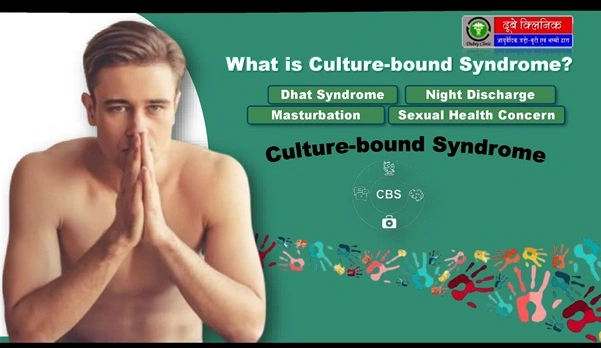
Culture-bound syndrome (CBS) is a pattern of physical or psychological symptoms recognized within a specific culture or community, heavily influenced by that culture's beliefs, values, and social norms. While the symptoms are real and can cause significant personal distress, the way they are experienced, understood, and labeled is determined by the specific cultural context. Nowadays, healthcare professionals use the broader term "cultural concepts of distress," known as—
- Culture-bound syndrome
- Culture-specific disorder
- Culture-related illness
'Culture-bound syndromes' (illnesses linked to a specific culture) possess several key characteristics associated with a particular culture or ethnic group. Primarily, the symptoms of these conditions do not fit neatly into the standard psychiatric diagnostic categories used globally. Cultural beliefs influence how people perceive the illness, its causes, and the appropriate treatment. These conditions may involve emotional, behavioral, or physical symptoms that cause difficulties in an individual's life.
There are some examples of culture-bound syndromes around the world that are known by different names, such as-
- Koro: In fact, this culture-bound syndrome is observed in parts of East and Southeast Asia. In this condition, the individual feels that their genitals are shrinking or retracting into the body, often accompanied by an intense fear of death.
- Amok: Essentially, it is a culture-bound condition traditionally reported in parts of Southeast Asia. In this state, an episode of sudden, uncontrollable aggressive or violent behavior takes over the individual's life.
- Dhat syndrome: In fact, this culture-bound syndrome is known by various names, such as 'Dhat rog' or 'loss of Shukra Dhatu' (semen). Many people in South Asia speak of this condition in the context of their personal lives. It encompasses anxiety and physical symptoms linked to the belief that the loss of semen causes weakness and ill health.
- Ataque de nervios: Primarily, this culture-bound syndrome is observed in certain Caribbean and Latin American communities. It presents with symptoms such as intense emotional distress, crying, trembling, screaming, or fainting, often resulting from stressful family events or family turmoil.
In India, 'culture-bound syndromes' (also known as 'culture-specific sexual problems') include conditions like 'Dhat Syndrome,' which are associated with specific regions or localities. In this session, Dr. Sunil Dubey—a licensed Ayurvedic physician and expert sexologist from Bihar, India—provides information about this condition and shares his clinical insights regarding its treatment, symptoms, and causes.
Ayurveda, the traditional Indian system of medicine, describes this culture-specific sexual issue in a particular way. However, Dr. Dubey provides comprehensive information from both scientific and Ayurvedic perspectives, which helps in understanding and preventing 'Dhat syndrome'. Let us explore 'Dhat Syndrome'—how it affects an individual's personal life and the kinds of problems it creates. We will also look at how Ayurveda and integrated treatment plans help manage this condition by offering comprehensive care. By adopting a holistic approach—including lifestyle changes—an individual can prioritize their overall well-being and sexual health while bringing happiness into their life.
Difficulties with Culture-bound Syndrome in India
First of all, those who consider 'Dhat Syndrome' a myth should acquaint themselves with the facts regarding this culture-bound condition. This is because Western medicine lacks a concrete explanation for this sexual issue influenced by cultural factors. Therefore, it is more beneficial to understand the perspective and principles of Ayurveda, given that it has been a trusted traditional system of medicine in India for over 5,000 years.
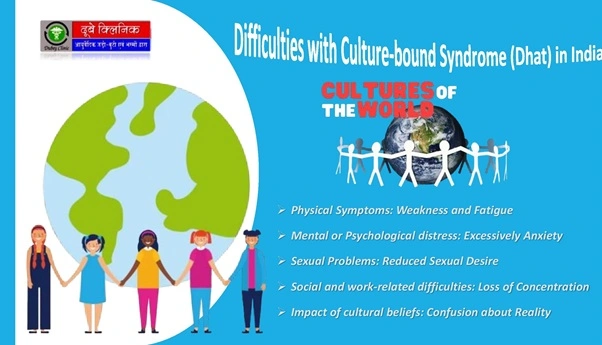
Dhatu syndrome, or Dhatu rog, is a condition characterized by intense anxiety and distress stemming from the firm belief that one's precious 'Dhatu' (semen) is being lost from the body. This loss can occur during urination, masturbation, nocturnal emissions (wet dreams), or involuntary sexual activity. The loss of semen is perceived as worried and is believed to cause physical and mental weakness. This sexual health issue is predominantly observed among South Asians. People with Dhat syndrome may experience various types of problems in their personal life, that is listed below:
Physical Symptoms
Although medical examinations often reveal no physical cause for these symptoms, nevertheless they are real and distressing. Some common complaints include:
- Weakness and fatigue
- Lack of energy
- Body and back pain
- Dizziness or low mood
- Headaches
- Loss of appetite
- Sleep disturbances
Mental or Psychological distress
This is one of the most common symptoms of Dhat Syndrome that is related to an individual's mental health. Some common complaints include:
- Excessive anxiety about the loss of semen
- Fear and nervousness about being weak or seriously ill
- Feelings of sadness or hopelessness
- Inability to concentrate in study or work
- Irritability or sadness
- Lack of self-confidence
Sexual Problems
For some people, the condition known as Dhat syndrome is deeply linked to their perceptions regarding sexual health. Some common sexual problems include:
- Reduced sexual desire
- Anxiety about sexual performance
- Problems related to erections (sometimes caused by anxiety)
- Premature ejaculation or lack of control
- Fear of masturbation or nightfall (wet dreams)
Social and work-related difficulties
In cases of Dhat Syndrome, many individuals report that their daily lives are disrupted. They are unable to contribute in the way they would like.
- Difficulty concentrating on studies or work
- Reduced work capacity
- Avoiding the formation of close relationships
- Staying away from people due to shame or fear
- In constant search of reassurance
Impact of cultural beliefs
In many communities where cases of 'Dhat syndrome' are reported, semen is considered a vital substance, and its loss is believed to weaken the body. These beliefs can lead to:
- Increased health-related anxiety.
- Confusion about right information
- Adoption of unproven treatment
What are the myths and facts about Dhat Syndrome?

Dhat Syndrome is a culture-bound condition; therefore, only appropriate, evidence-based treatment is effective in managing it. There are various misconceptions and facts surrounding this culture-specific sexual issue, and understanding the reality is essential to avoid falling prey to such misunderstandings. Dr. Sunil Dubey is the best and well-qualified Ayurvedic sexologist in Patna; practicing at Dubey Clinic, he treats a wide range of sexual issues stemming from underlying medical conditions, lifestyle-related problems, psychological issues, or cultural beliefs. Based on his clinical experience, he notes that 'Dhat Syndrome' involves a mix of myths and facts. Understanding both aspects is crucial, as it helps in adopting the right approach toward sexual health and wellness.
Many beliefs surrounding Dhat syndrome are rooted in cultural traditions and misinformation. Modern medical research offers a different understanding of semen, sexual health, and this condition. However, adopting an integrated Ayurvedic treatment approach is beneficial for addressing this sexual issue, as both modern and Ayurvedic treatments prioritize the individual's overall health and well-being.
Understanding Facts about Dhat syndrome, avoiding Myths
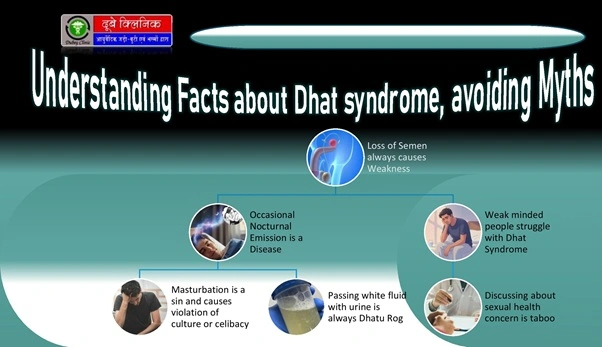
Myth 01: Loss of semen always leads to weakness or low stamina
Fact: In healthy individuals, the normal release of semen through ejaculation or nocturnal emissions does not cause physical weakness or a loss of strength or stamina. This is because the body continuously produces sperm and semen that is a natural process.
Myth 02: Occasional nightfall is a sexual disorder
Fact: Nocturnal ejaculation—also known as a 'wet dream' or 'nightfall'—is a normal part of male sexual development and is not a sign of any illness. In fact, experiencing nightfall occasionally during the month is not a cause for concern rather than healthy sexual activity.
Myth 03: Masturbation is a sin that violates celibacy (virginity) and causes permanent damage to health
Fact: According to modern medical science, masturbation is generally considered a normal sexual behavior. If practiced normally and without compulsion, it does not lead to weakness, infertility, or mental illness. However, if it becomes an addiction or is performed repeatedly out of compulsion, it can be detrimental to both physical and mental health.
Myth 04: The passing of a white fluid along with urine is always attributed to 'Dhat syndrome' or the loss of semen
Fact: There can be several causes for white discharge in the urine, including normal bodily secretions. If the symptoms persist or are concerning, it is advisable to consult a clinical sexologist to investigate the issue.
Myth 05: Every person suffering from Dhat Syndrome has some physical ailment or health issue
Fact: Dhat syndrome is primarily known as a condition in which anxiety and cultural beliefs play a significant role. However, medical examinations may be required to rule out other health issues if necessary.
Myth 06: Only people with limited education or a weak mindset face the problem of Dhat syndrome
Fact: In reality, those individuals or communities who think this way are completely mistaken. Dhat syndrome can affect anyone. It is influenced by cultural beliefs, stress, anxiety, and misconceptions regarding sexual health—not by a person's character, education, or intelligence.
Myth 07: The only remedy for Dhat syndrome or sexual problems is sexual abstinence
Fact: Celibacy is the first of the four stages of life. In reality, there is no evidence that abstaining from all forms of sexual activity cures Dhat syndrome or any other sexual problem. Accurate information and psychological support form are the cornerstone of its treatment.
Myth 08: Dhat syndrome cannot be treated
Fact: The notion that Dhat Syndrome cannot be treated is completely incorrect. Many people experience improvement through accurate information, psychological therapy (such as Cognitive Behavioral Therapy), and treatment for associated anxiety or depression. The holistic approach of Ayurveda under modern medical approach are evidence-based and effective to reverse this condition.
Myth 09: Discussing sexual health concerns is considered embarrassing or taboo
Fact: This misconception is a problem not just for one individual, but for many people in India. Discussing concerns related to sexual health is essential for psychological and emotional well-being. Having an open and respectful conversation with a qualified healthcare professional can help clear up misconceptions, reduce anxiety, and improve symptoms.
Myth 10: Only expensive medication is helpful in resolving this sexual problem
Fact: There is no evidence that specific tonics or costly medicine are regularly needed. Often, education, reassurance, counseling, and treatment for any underlying anxiety or depression are more effective.
Symptoms of Dhat Syndrome
In reality, 'Dhat Syndrome' is a culture-bound sexual issue. It presents with a variety of signs and symptoms linked to physical, mental, sexual, and behavioral factors, among others. Based on patient complaints and daily clinical experience, Dr. Dubey emphasizes the importance of understanding all the symptoms of Dhat Syndrome, as this facilitates appropriate treatment, prevention, and the dissemination of information regarding sexual health.
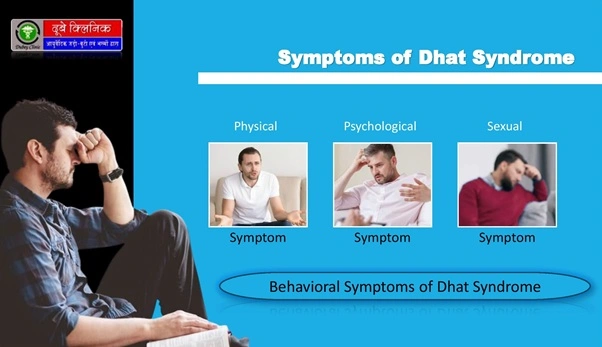
Dhat syndrome involves excessive anxiety and distress regarding the loss of semen, often accompanied by physical, mental, and sexual symptoms. These symptoms are real and can cause significant distress, even in the absence of any underlying medical condition.
Physical Symptoms
- General weakness and fatigue
- Lack of energy
- Body and muscle pain
- Back pain
- Dizziness
- Headache
- Loss of appetite
- Weight loss (in some cases)
- Sleep disturbances or insomnia
- Palpitations (feeling a rapid heartbeat)
Psychological Symptoms
- Excessive anxiety about the loss of semen
- Nervousness and restlessness
- Sadness or a low mood
- Irritability
- Inability to concentrate
- Memory problems
- Feelings of guilt or shame
- Fear of physical or mental weakness
Sexual Symptoms
- Anxiety about semen passing with urine
- Fear of nightfall (wet dreams)
- Fear or guilt associated with masturbation
- Reduced sexual desire (low libido)
- Erection-related issues (often due to anxiety)
- Worried about Premature ejaculation
- Lack of confidence in sexual performance
Behavioral Symptoms
- Repeatedly checking urine for traces of semen
- Repeatedly consulting a sexologist despite normal test results
- Avoiding sexual activity due to the fear of losing semen
- Spending money on unproven treatments like ads-based
The symptoms of Dhat syndrome are real and distressing, but they often persist due to anxiety and misconceptions about semen loss rather than an actual decline in physical strength. Many individuals experience significant improvement through proper sexual health education, personalized care, reassurance, counseling, and treatment for associated anxiety or depression.
Causes of Dhat Syndrome
In the context of culture-bound sexual problems, no single cause is responsible for 'Dhat syndrome'. It is primarily the result of a combination of cultural beliefs, psychological factors, and stress. It is essential to understand the true nature and reality of this sexual health issue. Based on personal accounts and the difficulties reported by many individuals, 'Dhat Syndrome' can stem from various causes linked to physical, mental, educational, social, and emotional factors. In such a situation, they are troubled more by a lack of sex education, misconceptions, and cultural beliefs and notions in their personal lives than by concerns about the loss of semen.
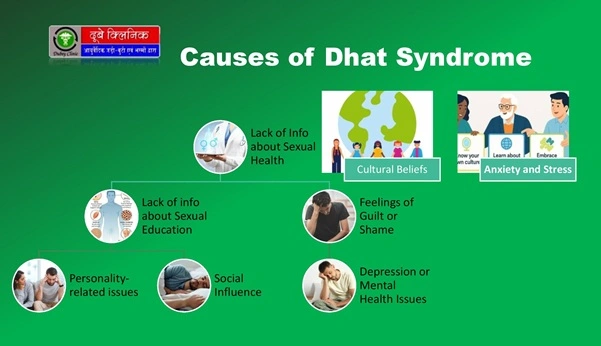
Cultural beliefs
- In some South Asian cultures, semen is traditionally regarded as a vital fluid essential for strength, health, and virility. While there is truth to this, a lack of complete information means that some people do not fully grasp the reality of the matter.
- The belief that the loss of semen—whether through urination, masturbation, or nocturnal emissions—leads to weakness can become a source of anxiety and distress.
Lack of accurate information about sexual health
- Misconceptions about normal sexual activities, such as nocturnal emissions (nightfall) and masturbation.
- Limited access to sexual health education based on scientific evidence.
- Mistaking normal bodily secretions for the loss of semen.
Anxiety and Stress
- Stress related to studies, work, finances, or family can heighten health-related anxiety.
- People who experience health anxiety can become excessively worried even about normal bodily sensations.
Depression and other Mental Health Issues
- Depression and anxiety disorders can lead to issues such as fatigue, inability to concentrate, and sadness.
- These symptoms can be mistakenly attributed to the loss of semen or other sexual health concerns.
Feelings of Guilt or Shame
- For some individuals, feelings of guilt associated with masturbation or sexual thoughts—stemming from personal, cultural, or religious beliefs—can exacerbate distress.
- This can further heighten fears regarding the loss of semen and sexual health.
Personality-related Factors
Some people may be more likely to develop 'Dhat syndrome' if they exhibit the following traits:
- A tendency to worry excessively
- Excessive anxiety or concern about health
- Lack of self-confidence
- Difficulty coping with stress
Misinformation or Lack of Sexual Education
- Advice from unqualified individuals, advertisements, or misconceptions regarding "sexual weakness" can reinforce erroneous beliefs about the loss of semen.
- Consequently, people may resort to unnecessary treatments or supplements rather than right approach to sexual therapy or counseling.
Social Influence or Fear of Outer
- Pressure to appear sexually strong or masculine.
- Fear of infertility or poor sexual performance.
- Shame or hesitation to speak openly about sexual health concerns.
- Fear of people or social aspects
The development of Dhat syndrome is best understood as an interplay of the following factors:
- Cultural beliefs regarding semen and health
- Psychological factors such as anxiety, guilt, or depression
- High-stress life events
- Lack of proper sexual health education
- Misinformation and social stigma
Diagnosis of Dhat Syndrome (CBS)
Dr. Sunil Dubey, a renowned Asian sexologist, has conducted research on this culture-bound syndrome (Dhat syndrome) and also developed a safe and effective treatment method based on Ayurveda. He states that, in reality, the diagnosis of Dhat syndrome is based on a detailed clinical assessment. This condition does not require any laboratory tests or imaging studies. In this context, evaluating the individual's symptoms, beliefs, and current health status is helpful in addressing this sexual health issue and ruling out the possibility of other medical or mental health conditions.
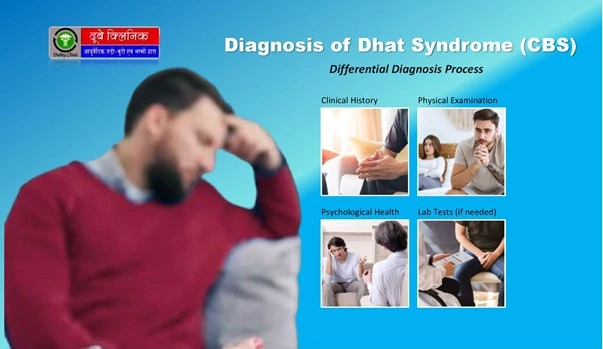
The diagnostic approach follows different conditions—
Clinical History
In this context, qualified sexual healthcare professionals compile a list of questions through a counseling process free from hassle or discrimination. He asks for various factors those are related to this culture-bound syndrome.
- Concerns regarding the loss of semen during urination, masturbation, nightfall, or sexual activity.
- Physical symptoms such as weakness, fatigue, back pain, or dizziness.
- Mental health symptoms, such as anxiety, depression, guilt, or excessive worry.
- Sexual history and any issues related to sexual activity.
- Cultural beliefs regarding semen, sexual health, & reproduction.
Physical Examination and Evaluation
Essentially, this general physical examination is conducted to assess the body's internal condition.
- To assess overall health and related issues.
- To identify any signs of physical illness.
- To rule out medical conditions that could explain the symptoms.
Mental Health Assessment
When dealing with mental health issues, doctors or therapists assess the following:
- Symptoms of restlessness or anxiety
- Symptoms of sadness or depression
- Health-related concerns
- Stress and the ability to cope with it
- Impact of symptoms on daily life, work, and relationships
Lab tests (if needed)
Tests may be conducted to detect or rule out other medical conditions, such as:
- Urine test (to check for urinary tract infections or other abnormalities)
- Blood test (if clinically necessary)
- Tests for sexually transmitted infections (when necessary)
- Other tests based on the individual's current symptoms
Differential Diagnosis Process
Dr. Sunil Dubey says that various differential diagnoses may be necessary to rule out conditions associated with Dhat syndrome. Essentially, this depends on various similar symptoms, including the following conditions.
- Anxiety disorders (Performance related)
- Depressive disorders (Chronic Stress)
- Sexual problems (such as ED or PE)
- Urinary tract infections (UTIs)
- Prostatitis or other prostate-related issues
- Sexually transmitted infections (STIs)
- Endocrine disorders (such as thyroid disease)
- Chronic illnesses causing fatigue or weakness
Understanding the basis of the diagnosis helps in managing the patient's persistent distress regarding the perceived loss of semen—a condition linked to physical and mental health concerns stemming from this belief. As this issue relates to sexual health and is deeply influenced by cultural factors and personal beliefs, it often causes significant stress, anxiety, or emotional turmoil. In reality, this is not any medical condition; therefore, it is essential to thoroughly assess the patient's sexual knowledge and confidence, alongside their overall well-being and mental health.
To identify culture-bound syndromes, it is essential to understand an individual's cultural background and beliefs. This helps doctors distinguish between conditions like Dhat syndrome and other medical or mental illnesses, and enables them to provide culturally sensitive care.
Treatment options for Dhat Syndrome in India
The treatment of Dhat syndrome focuses on dispelling misconceptions about semen loss, reducing anxiety, addressing associated mental health issues, and improving the individual's overall health. A combined approach involving education, psychological therapy, personalized professional care, and medical treatment is often the most effective.
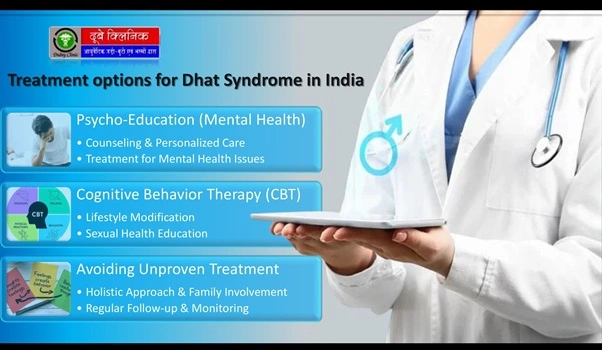
In reality, the treatment of Dhat syndrome in India is based on a variety of approaches.
Psycho-education (Mental Health)
Psycho-education is a cornerstone of the treatment for dhat syndrome. It includes the following:
- Explaining that the normal release of semen—whether through ejaculation, masturbation, or nightfall (wet dreams)—does not cause physical weakness.
- Providing accurate information about the functioning of the male reproductive system.
- Dispelling misconceptions and myths related to sexual health.
- Reassuring the individual about normal sexual functions.
Counseling (Personalized Care)
Hassle-free and helpful counseling assists people with the following:
- Expressing fears and concerns without the fear of being judged.
- Reducing guilt and shame associated with sexual beliefs.
- Adopting better ways to cope with stress and anxiety.
- Improving self-confidence and self-esteem.
Cognitive Behavioral Therapy (CBT)
CBT is one of the most effective psychological treatments. It helps people to:
- Identify and challenge incorrect or harmful thoughts regarding semen loss.
- Reduce excessive health-related anxiety.
- Replace negative thinking with more realistic thinking.
- Learn ways to manage stress and relax.
Treatment for mental health issues
If a person is experiencing anxiety or depression in the situation of Dhat syndrome, appropriate treatment may include:
- Psychological therapy.
- Personalized antidepressant or anti-anxiety medications upon the advice of a qualified healthcare professional.
- Regular follow-ups to monitor progress and adjust the treatment if necessary.
Sexual Health Education
The education includes the following:
- Understanding normal sexual development and functioning.
- Learning about masturbation, nightfall (wet dreams), and ejaculation.
- Discussing concerns related to fertility and sexual performance.
- Promoting a healthy attitude towards sexuality.
Lifestyle Modifications
Healthy lifestyle habits can improve overall well-being including sexual health.
- Regular physical exercise.
- Balanced and nutritious diet.
- Adequate sleep at night.
- Stress reduction through relaxation techniques, meditation, or yoga.
- Avoiding alcohol and recreational drugs if they worsen anxiety or mood.
Family Involvement
When necessary, family members or couple can be involved in the following ways:
- Addressing misconceptions about Dhat syndrome.
- Reducing stigma and blame from society.
- Providing emotional support.
- Encouraging adherence to treatment.
Avoid unproven treatments
People with Dhat syndrome are sometimes offered expensive treatments or supplements for "sexual weakness" that lack scientific evidence. Therefore, it is advised to:
- Consult qualified and experienced sexual healthcare professionals.
- Avoid unnecessary medications or ads-based products on claims lacking solid evidence.
- Opting for evidence-based treatments that is integrated and personalized.
Regular Follow-up and Monitoring
Follow-up appointments help to:
- Monitor progress and current condition
- Reinforce accurate health information.
- Address new concerns.
- Adjust treatment if symptoms persist.
Diagnosis of the disease; not for myth
With the right treatment, many people see significant improvement in their condition. Symptoms often subside when misconceptions are cleared up, anxiety is reduced, and any co-existing depression or anxiety disorder is properly treated.
Dr. Sunil Dubey states that psychoeducation forms the basis of treatment for 'Dhat syndrome.' Cognitive Behavioral Therapy (CBT) is an effective psychological approach tailored entirely to the patient's needs. If symptoms of anxiety and depression are present, they should be identified and treated. Evidence-based treatment is more effective than unproven methods or treatments aimed merely at "sexual weakness." Seeking timely advice from a qualified sexual healthcare professional can lead to better outcomes and reduce unnecessary trouble.
Why Choose Us
Trusted Ayurvedic Sexual Healthcare with Experience, Care & Confidentiality
At Ayurvedacharya Dr. Sunil Dubey – Dubey Clinic, Patna, we are committed to providing personalized, ethical, and confidential expert care for sexual health and wellness. Combining Ayurvedic principles with a modern, scientific approach, we strive to help individuals and couples understand their concerns and make informed decisions about their health. With a healthcare legacy dating back to 1965, our focus is on compassionate guidance, patient privacy, and treatment tailored to individual needs.
Why Patients Choose Us
Experienced Ayurvedic Sexologist & Healthcare Professionals
Benefit from Dr. Sunil Dubey’s professional qualifications and extensive experience in Ayurvedic sexology, sexual health counseling, and patient care. Dubey Clinic has a team of healthcare experts, including MBBS, MD, and PhD doctors, BAMS practitioners, and sexual therapists. They provide care under Dr. Dubey's supervision, employing a comprehensive treatment approach grounded in a scientific perspective.
Personalized Treatment Approach
Every individual has unique health concerns and his body constitution. We focus on understanding their symptoms, medical history, and lifestyle before discussing suitable care options. After the evaluation and examination of physical, psychological, and medical conditions; we offer them the personalized treatment that is based on their root-causes.
Confidential & Respectful Care
Your privacy and dignity always matter for us. We aim to provide a comfortable, non-judgmental environment where an individual can discuss his sensitive health concerns with confidence. There is a fully confidential and hassle-free clinical environment for every patient.
Ayurvedic Care with a Modern Perspective
Our approach combines Ayurvedic principles with contemporary medical understanding to support informed decisions about sexual and reproductive health. We take care of the patient’s overall health that’s why; our approach to provide effective treatment that helps to overcome their problems in an appropriate way.
Care for Men, Women & Couples
We offer consultations for a range of sexual health concerns, including erectile dysfunction, premature ejaculation, low libido, fertility-related concerns, and other intimate health issues. Our professional healthcare team unit is dedicated to every patient understanding their actual problems and making the right approach of personalized treatment plan.
Online & In-Clinic Consultations
Based in Patna, Bihar, Dubey Clinic offers in-person consultations and online consultation options for patients seeking guidance from different locations. Dr. Dubey always suggests the local people to visit the clinic first for their comprehensive and personalized treatment. Well, he and his team unit are always committed to help the major cities people through online, over phone, through WhatsApp, and digital presence. Dubey Clinic always provides them medicine delivery facility where they continue their treatment after consultation.
Your Health, Our Priority
We believe that every patient deserves to be heard, respected, and guided with care. Choose Dubey Clinic for a professional, private, and patient-focused approach to sexual health and well-being. Our professional care and expert advice will surely bring you the happiness in your individual or married life where sexual health concerns bother you.
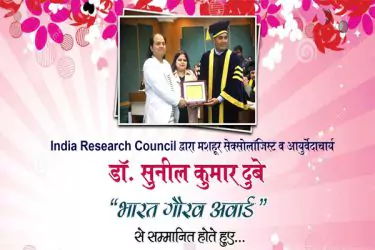
Awards & Achiements


News Features




Our presence on the other online platform to know more about Best Sexologist in Patna, Bihar India
Our presence on the other online platform to know more about Best Sexologist in Patna, Bihar India
Our presence on the other online platform to know more about Best Sexologist in Patna, Bihar India
Our presence on the other online platform to know more about Best Sexologist in Patna, Bihar India
Our presence on the other online platform to know more about Best Sexologist in Patna, Bihar India
